From Drought to Abundance: The Key Role of Shield Rubber Dams in Agricultural Irrigation and Canal Water Conservation
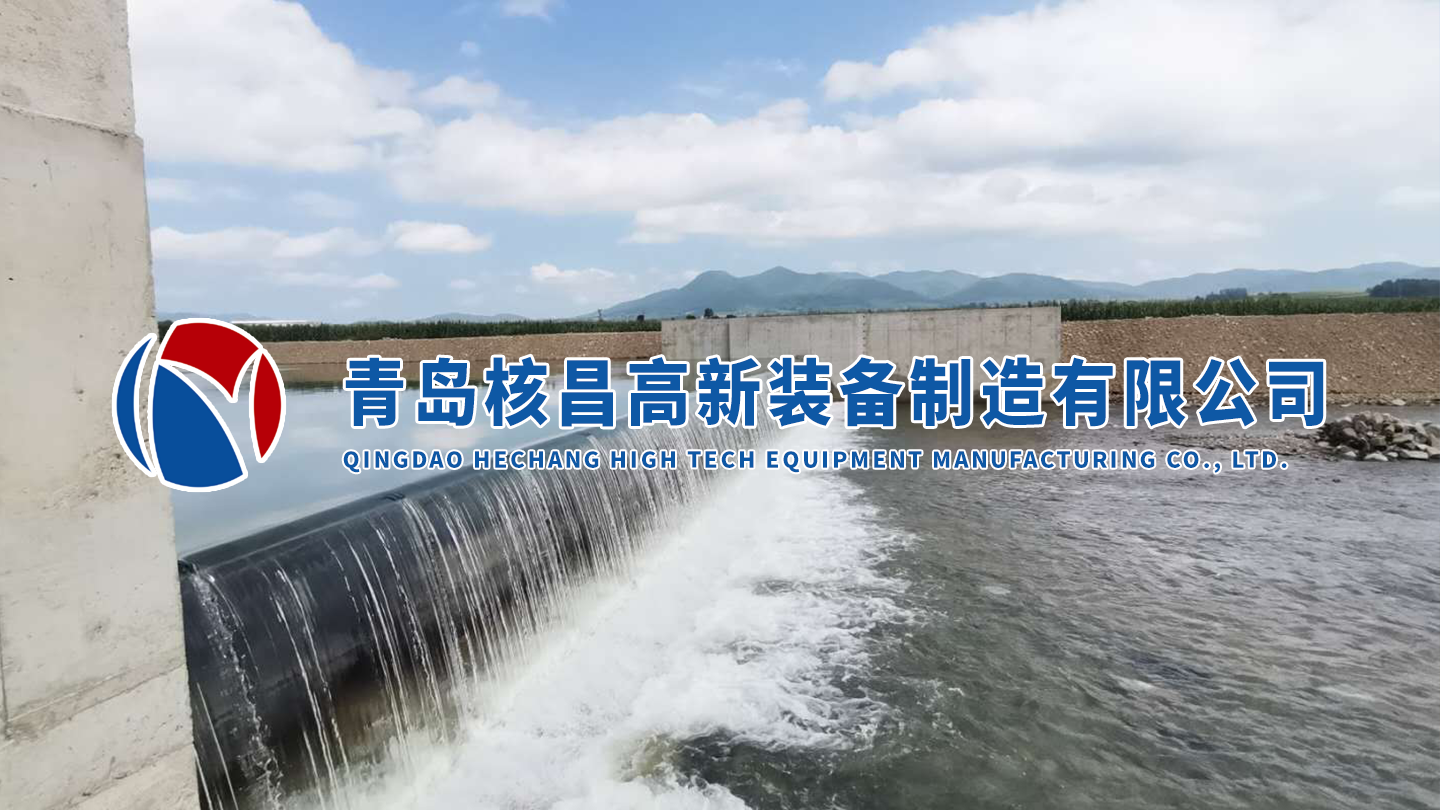 In the vast farmlands of China, the uneven seasonal distribution of water resources has long plagued agricultural production. When water is needed for rice transplanting in spring, river runoff is weak; when floods arrive in summer, precious water resources flow away in vain. Traditional fixed weirs and dams cannot be flexibly regulated, while constructing new reservoirs involves high costs and long cycles. It is against this backdrop that shield rubber dams, with their unique "flexible regulation" capability, have emerged as "intelligent faucets" connecting water sources and farmlands, playing an irreplaceable key role in agricultural irrigation and canal water conservation.
I. Working Principle Aligned with the Cycle of Agricultural Irrigation
The working principle of shield rubber dams is perfectly suited to the periodic water demand of agricultural irrigation, with its core advantage lying in the flexible and controllable lifting and lowering function of the dam body:
-
• Water storage and irrigation phase: The dam body is inflated rapidly via the air-charging system, forming a water storage capacity in the river channel or canal and raising the upstream water level. This process enables gravity-driven water diversion, significantly reducing the energy consumption and cost associated with pumped irrigation.
-
• Flood discharge or irrigation suspension phase: Upon completion of irrigation tasks or the onset of flood seasons, the dam body can lie flat on the riverbed simply by activating the deflation procedure, instantly restoring the natural flow state of the river channel without any impact on flood discharge safety.
This "on-demand deployment and immediate withdrawal" characteristic enables precise control of water resources that "stores water when needed and releases it when not", perfectly matching the seasonal and intermittent demands of agricultural irrigation.
II. Core Water-saving Advantages Over Traditional Hydraulic Structures
Compared with traditional hydraulic structures such as masonry dams and concrete sluices, shield rubber dams have two prominent advantages in water-saving efficiency:
-
1. Reducing water loss from seepage
The shield plate of shield rubber dams, made of polymer composite materials, boasts excellent sealing performance with the concrete base slab. In addition, the required foundation treatment process for the dam body is relatively simplified. These features can effectively address the widespread seepage problem in traditional earthen canals and old masonry canals. According to measured data from some irrigation districts, shield rubber dams can reduce canal water conveyance loss by more than 15%.
-
2. Realizing precise water distribution on demand
Relying on automated control systems, irrigation district managers can remotely adjust the lifting height and operating status of multiple shield rubber dams according to the water demand plans of different regions and crops, achieving refined water resource scheduling. This model completely abandons the extensive flood irrigation method and avoids water waste from the source.
III. Revolutionary Effects in Typical Application Scenarios
The deployment of shield rubber dams has brought significant transformation to water use patterns in water-scarce irrigation districts. Typical cases are as follows:
-
• Large-scale irrigation district in North China: By adopting the cascade arrangement of shield rubber dams on main and branch canals, a flexible "canal reservoir" has been constructed. It stores the remaining floodwater during non-irrigation periods and releases the stored water during the dry spring season, effectively alleviating the critical drought problem during the spring irrigation of wheat.
-
• Arid region in Northwest China: The combination of shield rubber dams and drip irrigation systems efficiently stores the limited water from river channels and accurately delivers it to farmland, significantly improving the irrigation guarantee rate and water resource utilization efficiency, and providing water conservancy support for stable and high agricultural yields in arid regions.
IV. Technical Value and Significance from a Macro Perspective
From a macro perspective, shield rubber dams are not only a hydraulic engineering measure but also a key technical node driving the agricultural water-saving revolution. Featuring low construction and maintenance costs, short construction cycles, strong environmental adaptability, and outstanding eco-friendliness, they provide a practical solution to resolve the contradiction between supply and demand of agricultural water.
Against the dual backdrop of ensuring national food security and implementing the strictest water resource management system, this "flexible monument" is silently guarding thousands of hectares of fertile farmland, ensuring that every drop of precious water can flow to the most needed time and place, truly realizing the intelligent transformation of agricultural production from "rain-fed farming" to "water-efficient and high-yield farming".