Spring Preparation for Water Conservancy: Key Points for Anti-Freezing Maintenance and Spring Commissioning Guidelines for Shield Rubber Dam
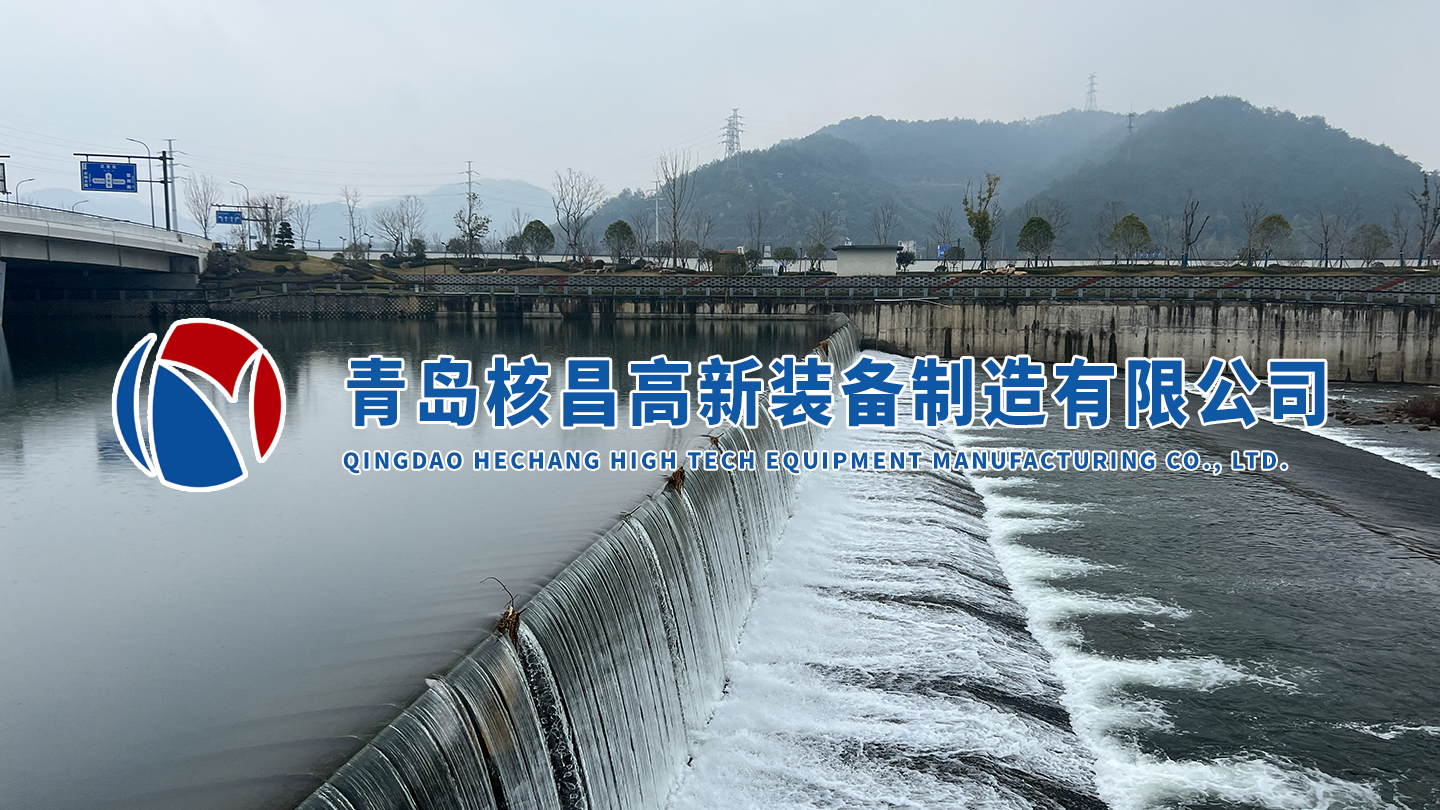
The Beginning of Spring has arrived, and temperatures are gradually rising. However, cold snaps still occur frequently during the transition from winter to spring, and the chill has not completely subsided. Water conservancy project preparation has entered a critical transitional phase, wrapping up winter maintenance and gearing up for spring operation. As a new type of intelligent water-retaining equipment, shield rubber dams have become the "main force" for flood control and spring irrigation due to their advantages of flexible controllability, strong impact resistance, and excellent ecological adaptability. Conducting proper anti-freezing maintenance and commissioning at this time is directly related to the safe and stable operation of water conservancy projects throughout the year, and is also an important prerequisite for ensuring spring plowing production and basin safety.
I. Key Points for Wrapping Up Anti-Freezing Maintenance in Late Winter
The core of late-winter maintenance is to investigate hidden dangers left by low temperatures, build a solid "protective shield" for equipment safety, and clear obstacles for spring operation:
-
1. Comprehensive De-icing and Cleaning: Thoroughly remove snow and ice around the dam body, focusing on ice at the joints of shield plates and the bottom of airbags to prevent dam deformation and airbag damage caused by long-term ice pressure. Simultaneously, clear debris and floating ice from trash racks to avoid pipeline blockage and ensure unobstructed flood discharge and water control.
-
2. Air System Inspection: Carefully inspect airbags and air supply pipelines, drain condensed water from pipelines and airbags, and verify the functionality of electric heat tracing systems and seals. This ensures no freezing, blockage, or leakage in the air passages during residual cold weather.
-
3. Mechanical Component Overhaul: Inspect the operational status of valves, sensors, and control systems one by one. Check for freezing, jamming, rust, or aging issues, and perform timely adjustments and resets. Perform rust removal, lubrication, and prepare spare replacements for wearable parts to ensure flexible and reliable operation.
II. Standard Operating Guidelines for Spring Commissioning
Spring commissioning must follow the principle of "Inspection First, Commissioning Second, Operation Last" to ensure smooth deployment and effective performance:
-
1. Comprehensive Pre-Operation Inspection: Focus on verifying the dam foundation, shield plate connections, and intelligent control system to confirm no damage, looseness, or malfunctions, securing the foundation for equipment operation.
-
2. Graded Inflation and Testing: Strictly increase pressure step-by-step according to the design pressure to avoid airbag damage from sudden full pressurization. Simultaneously test remote control and automatic monitoring functions to ensure all operations are flexible and controllable.
-
3. Emergency Preparedness: Debug the flood discharge system in advance and simulate sudden spring flood scenarios to ensure rapid response and efficient flood discharge. Detailed records of commissioning parameters should be kept to provide a reliable basis for subsequent daily operation, maintenance, and troubleshooting.
During the winter-spring transition, maintenance is paramount. Strict implementation of the above anti-freezing maintenance and commissioning guidelines will allow shield rubber dams to smoothly pass through the seasonal transition, fully exerting their comprehensive advantages in flood control, irrigation, and ecological regulation. This lays a solid foundation for a successful start to the year's water conservancy work.