Multifunctional Rubber Rollers: Core Supporting Solutions in the Industrial Field
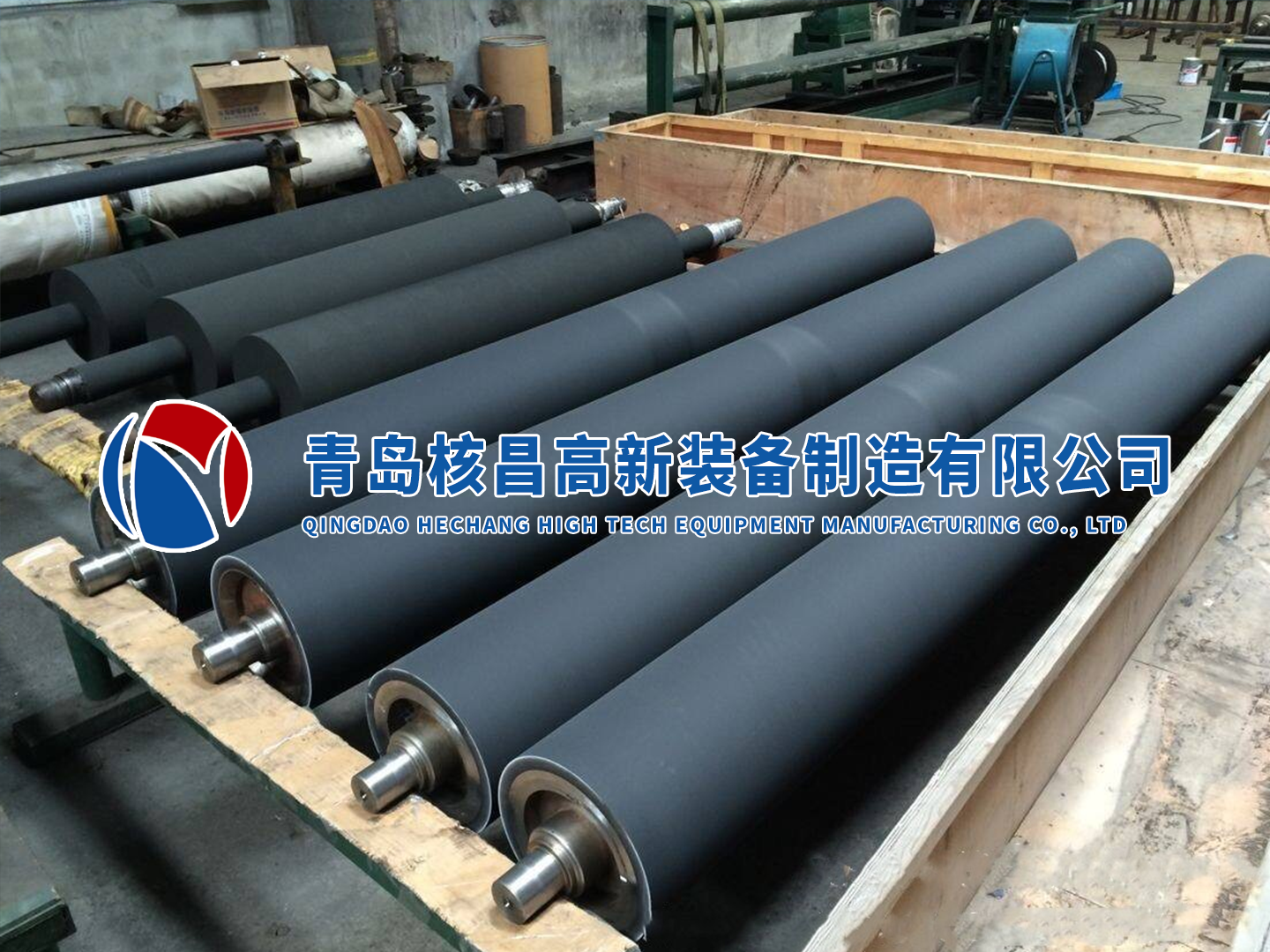
Rubber rollers are roller-shaped products with a core made of metal or other materials and an outer layer of rubber formed through vulcanization. Relying on their precise classification system, rigorous production processes, and wide adaptability, they have become key supporting equipment for efficient production in industries such as papermaking, printing and dyeing, printing, grain processing, metallurgy, and plastic processing.
I. Multi-dimensional Classification for Precise Demand Adaptation
Rubber rollers are classified according to different dimensions to meet the differentiated scenario needs of various industries:
-
1. Classification by Application: Covering papermaking rubber rollers, printing and dyeing rubber rollers, printing rubber rollers, rice hulling rubber rollers, metallurgical rubber rollers, mimeograph rubber rollers, etc., which directly correspond to the core production links of the industries;
-
2. Classification by Surface Morphology: Divided into flat rollers and patterned rubber rollers, suitable for different processing accuracy and material transmission requirements;
-
3. Classification by Material: Including butyl rubber rollers, nitrile rubber rollers, polyurethane rubber rollers, silicone rubber rollers, etc. For example, polyurethane rubber rollers are wear-resistant and pressure-resistant, while silicone rubber rollers are high-temperature resistant, enabling them to cope with various working condition challenges.
-

II. Structured Composition and Full-process Technology to Ensure Product Performance
(I) Core Structure
A rubber roller is composed of an outer rubber layer, a hard rubber layer, a metal core, a roller neck, and ventilation holes. All parts work together to ensure stability in use.
(II) Key Production Processes
-
1. Rubber Compound Preparation: As a core link, it requires processing more than 10 types of rubber compounds (with a rubber content of 25%-85% and a hardness of 0-90 degrees). The rubber compounds are mixed in the form of masterbatches using an open mill. Before molding, the rubber sheets and strips must also undergo strict appearance inspection, and their storage period is limited to prevent deterioration;
-
2. Molding Processing: Rubber is pasted and coated on the basis of the metal core. The mainstream method is molding (including injection pressing, injection molding, and liquid rubber casting). Combined with computer automatic control of specifications and dimensions, its efficiency and accuracy are far higher than those of traditional processes;
-
3. Vulcanization Treatment: For medium and large rubber rollers, steam heating in vulcanization tanks is the main method. For special needs, indirect steam or hot water vulcanization is adopted. To avoid delamination, a slow temperature and pressure rise mode is mostly used. Large rubber rollers stay in the tank for up to 24-48 hours;
-
4. Surface Treatment: As the final key process, mechanical turning and polishing are used to ensure basic performance. For high-demand scenarios, further polishing, coating with resin/magnetic powder/electrostatic powder, or electroplating and chemical oxidation are required to endow the rollers with functions such as light sensitivity, corrosion resistance, and electrical conductivity.
From classification to production processes, rubber rollers provide reliable support for the production of various industries with their all-round design and manufacturing standards, and are indispensable core components in the industrial system.


 137 9199 0091