Rubber Dam Maintenance: Safeguarding the Safety of Water Conservancy Facilities and Extending Project Service Life
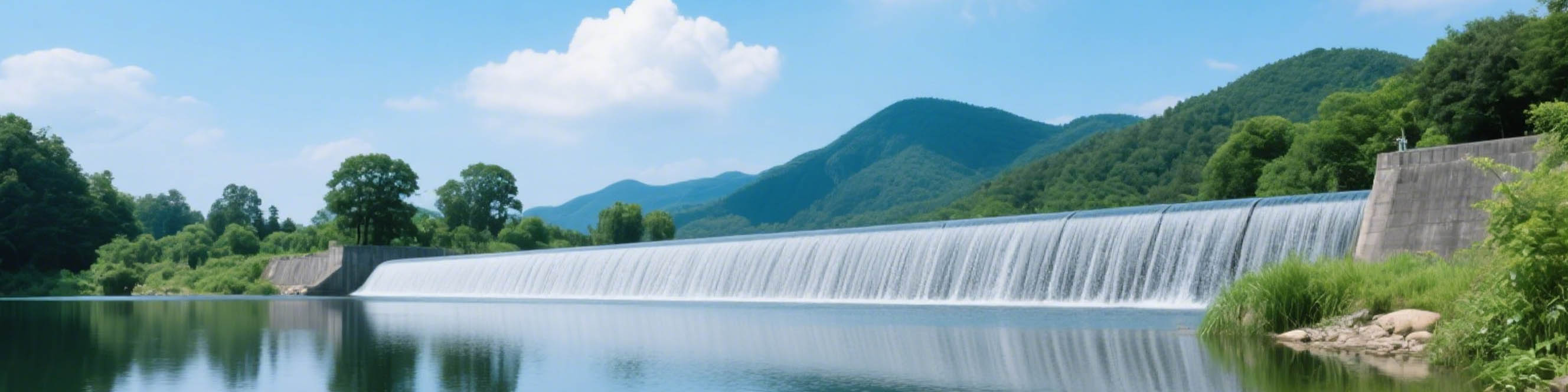
In the water conservancy project system, rubber dams, as flexible and efficient water-retaining structures, are widely used in flood control, irrigation, water supply, and other fields. However, due to long-term exposure to the natural environment and water flow impact, rubber dams are prone to various defects. If timely maintenance and upkeep are not carried out, it will not only affect normal operation but also may cause potential safety hazards. Professional rubber dam maintenance services target common problems of the core components of the dam body and provide scientific solutions to safeguard rubber dam projects.
Focus on Core Issues: Accurately Identifying Operational Hazards of Rubber Dams
During long-term use, rubber dams are susceptible to multi-dimensional problems due to material aging, external damage, environmental erosion, and other factors, which mainly concentrate on four core components:
-
• Dam Bag Issues: As the core water-retaining component of the rubber dam, the dam bag is prone to physical damage such as punctures, scratches, and wear. The outer covering rubber layer will peel off, chalk, and crack over time, and may also be eroded by organisms. The internal fiber fabric faces risks of aging, permanent deformation, rot, and breakage, which directly affect the water-retaining tightness and structural strength.
-
• Anchoring Device Issues: Anchors are crucial for fixing the dam bag. Due to long-term water scouring and environmental corrosion, they are prone to loosening, deformation, and rusting. In some areas, the fixing capacity may be reduced due to biological erosion, leading to displacement or leakage of the dam bag.
-
• Control Equipment and Pipeline Issues: Blockage of water (air) filling and drainage holes will cause abnormal lifting of the dam body; water (air) leakage from valves and pipelines will affect operational efficiency; damage to the control system will directly render the rubber dam inoperable, affecting project scheduling.
-
• Concrete Foundation Issues: If the concrete base slab where the dam bag contacts the foundation has pockmarks, sharp corners, or is mixed with sand, gravel, and other debris, it will wear the dam bag during the expansion and contraction of the dam body, forming potential damage points.
Scientific Maintenance Solutions: Hierarchical Resolution of Various Defects in Rubber Dams
In response to different problems of rubber dams, we adopt classified maintenance strategies, combining material characteristics and project requirements to ensure that the repair effect is consistent with the performance of the original dam body:
-
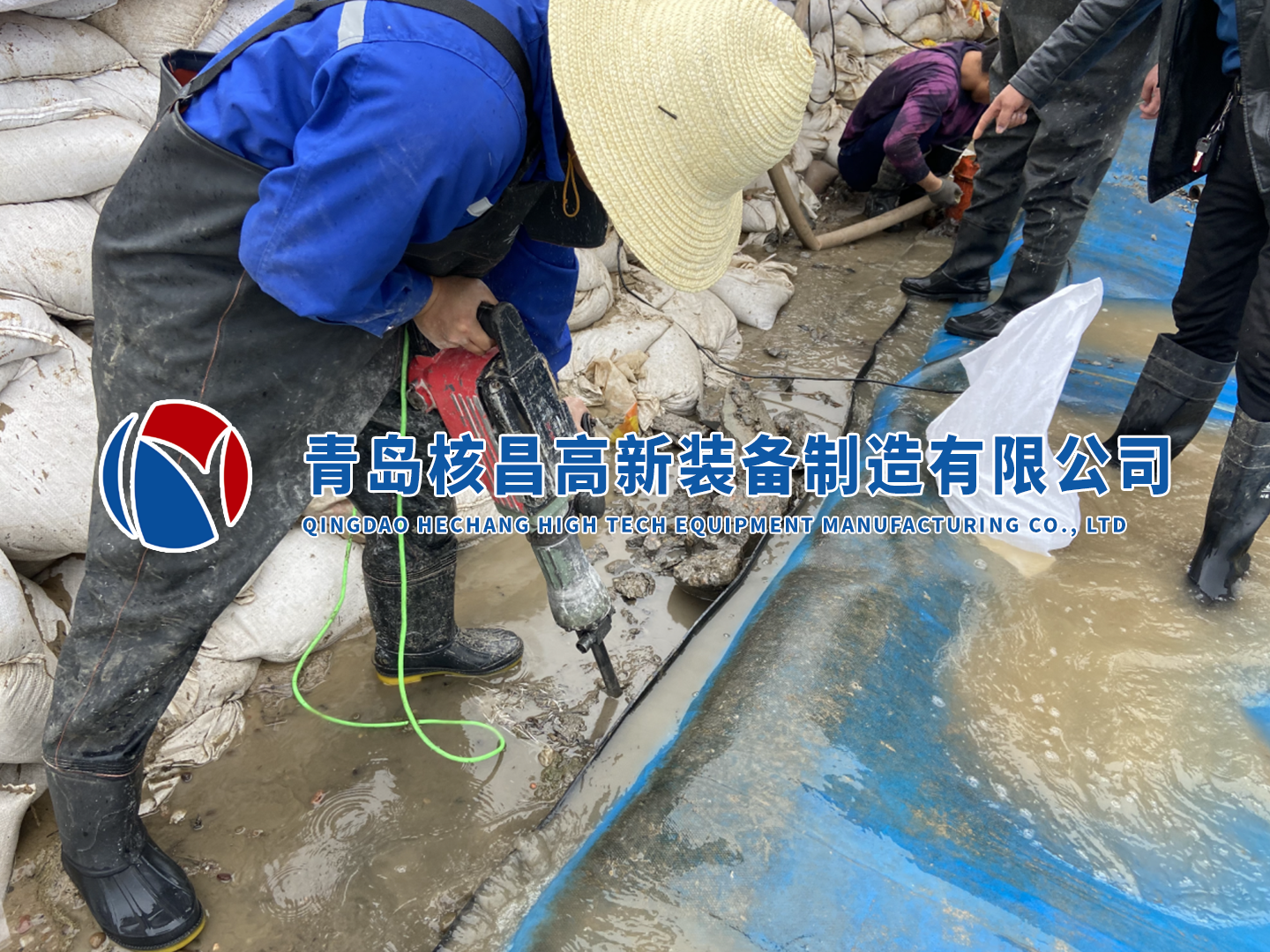
• Repair of Minor Dam Bag Damage: When the surface rubber layer of the dam bag is slightly worn but the fiber fabric is not damaged, the rubber sheet patching method is adopted. First, clean the worn area, then bond the special rubber sheet to the surface of the dam bag at a suitable temperature of 18-25℃, compact it, and let it stand for more than 24 hours to ensure no gaps or air bubbles. The integrity of the rubber layer is restored after natural vulcanization.
-
• Repair of Moderate Dam Bag Damage: For areas with severe local wear, reinforcing rubber cloth consistent with the warp and weft directions of the original dam bag is selected to patch the worn area. Multi-layer lamination is used to enhance local strength and prevent the expansion of damage. If wear-through or local tearing occurs, reinforcing rubber cloth of the same specification is patched on both the inner and outer surfaces of the dam bag, and sealing strips are attached to strengthen tightness and structural stability.
-
• Handling of Severe Dam Bag Damage: When the tear area is large, double-sided patching or replacement of the entire rubber cloth is selected according to project requirements to ensure uniform stress on the repaired dam bag. If the dam bag is suddenly damaged during operation, small holes can be temporarily blocked with wooden plugs or rubber plugs; for larger through-holes or small-area tears, the clamping method combining steel plates and bolts is used for reinforcement to quickly control the danger and gain time for subsequent repairs.
-
• Maintenance of Supporting Components: For loose and rusted anchors, tightening, derusting, or replacement is carried out to ensure fixing strength; blocked water (air) filling and drainage holes are cleaned; leaking water (air) valves and pipelines are replaced; damaged control systems are overhauled or replaced to restore normal equipment functions; pockmarks and sharp corners on the surface of the concrete base slab are polished, and debris is removed to ensure smooth contact between the dam bag and the foundation and avoid secondary wear.
Long-Term Maintenance Recommendations: Delaying Aging and Wear of Rubber Dams from the Source
In addition to targeted maintenance, daily upkeep is the key to extending the service life of rubber dams. We provide professional maintenance guidance, starting from both operation management and protective measures to reduce the probability of defects:
-
• Optimize Operation Methods: Avoid operating the dam bag under vibration or flapping conditions to reduce damage to the dam bag caused by water flow impact; reasonably control the lifting frequency of the dam body to avoid material fatigue caused by frequent expansion and contraction.
-
• Strengthen Protective Measures: Apply wear-resistant and anti-aging coatings to the easily worn parts downstream of the dam bag; paste elastic buffer materials inside the dam bag to protect water caps; thicken the outer rubber layer or add protective bags; regularly remove sediment from the dam body and its surroundings to prevent debris accumulation from wearing the dam bag; during high-temperature seasons, reduce the surface temperature by maintaining intermittent overflow water depth or sprinkling water on the surface of the dam bag to slow down the aging rate; regularly apply general-purpose neoprene modified adhesive, chlorosulfonated polyethylene coating, and other anti-aging materials on the surface of the dam bag to extend the service life of the rubber layer.
Professional maintenance and upkeep of rubber dams are important links to ensure the stable operation of water conservancy projects. Based on our in-depth understanding of the structural characteristics of rubber dams, we use scientific maintenance solutions and detailed maintenance guidance to solve various defects of the dam body, extend the service life of the project, enable rubber dams to continuously exert water conservancy benefits, and provide reliable support for water resource scheduling, disaster prevention, and mitigation.

 137 9199 0091