Shield Rubber Dam: Replacing the "Aging" Rubber Dam to Become the New Mainstay of Water Conservancy Projects
Shield Rubber Dam: Replacing the "Aging" Rubber Dam to Become the New Mainstay of Water Conservancy Projects
When a flood strikes, it can quickly collapse to discharge floodwaters; after the crisis is resolved, it can be rapidly inflated to store water. With this unique advantage, the Shield Rubber Dam is playing an increasingly important role in China's water conservancy projects.
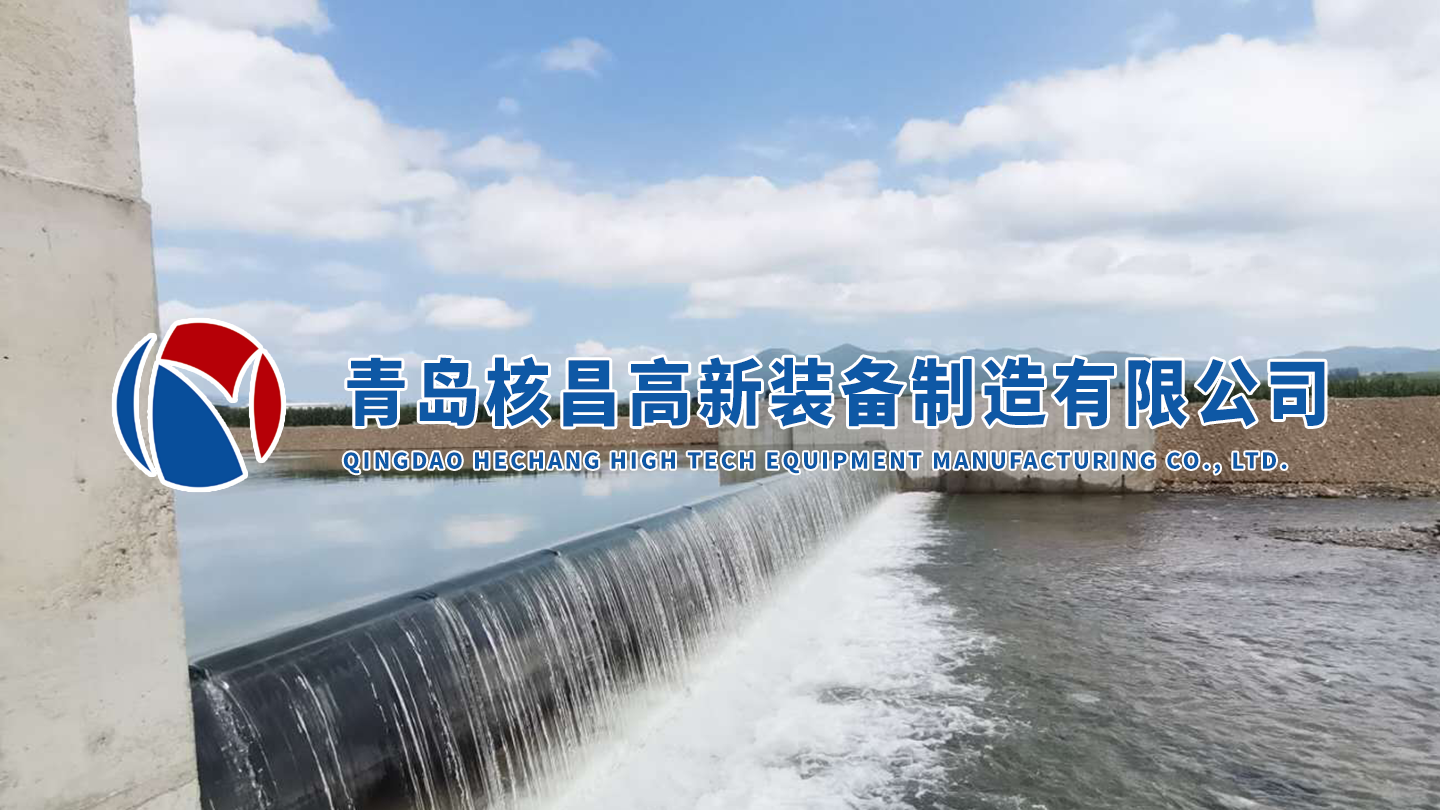
Today, in water conservancy projects across the country, the Shield Rubber Dam—a new type of water-retaining structure—is rising rapidly. It combines the dual advantages of rubber dams and steel gates: by inflating and deflating the airbag, it realizes the lifting and lowering of the shield plate, thereby flexibly adjusting the water level to meet the needs of different scenarios.
In Yidu City, Hubei Province, during the heavy rainfall in June this year, three shield rubber dams undertook the important task of "full-load dispatching" for the first time. Through refined opening/closing adjustment and flood storage & peak shaving operations, they effectively reduced the threat of flood peaks to the lower reaches, demonstrating reliable practical performance.
01 Rubber Dam: Practical Challenges of Traditional Water Conservancy Facilities
Traditional rubber dams are widely used in China's water conservancy projects. However, as the service life increases, various aging problems gradually emerge, causing troubles to project operation.
-
• Prominent safety hazards: According to a recent safety assessment, the rubber dam of a regulating and storage reservoir has problems such as concrete carbonation, cracks, and metal structure corrosion, which directly affect the safe operation and benefit exertion of the project.
-
• High operating costs: Many regions need to invest a considerable amount of funds in the maintenance of rubber dams every year, which continuously increases the operating burden of water conservancy projects.
02 Shield Rubber Dam: Rising Advantages of the New Water-Retaining Structure
Compared with traditional rubber dams, the shield rubber dam has made breakthroughs in performance, response speed, and reliability, making it more suitable for modern water conservancy management needs.
-
• Significant core advantages: It features flexible adjustability, rapid response, and ecological friendliness, and can accurately adjust the water level according to actual needs.
-
• Fast emergency response: In Shouning County, Ningde City, the Xiadang shield rubber dam can complete "lying down" (collapsing) within 10 minutes, rapidly expanding the flow cross-section without affecting flood discharge capacity, and gaining crucial time for flood control and emergency rescue.
-
• Safe and reliable operation: It supports both manual and automatic control modes. Even in the case of power failure, it can still discharge floodwaters safely, greatly improving the reliability and safety of the project.
03 Shield Rubber Dam: Practical Value Covering Diverse Scenarios
The application of shield rubber dams is not limited to flood control and drought relief; it can also play a role in different scenarios, balancing practical functions and ecological benefits.
-
• Guaranteeing industrial water use: In Huadian, Jilin Province, the shield rubber dam can raise the water level during the dry season through flexible lifting, ensuring stable water intake for the power plant's cooling water system; during the flood season, it can quickly collapse to ensure the safety of flood discharge.
-
• Assisting people's livelihood and agriculture: In Changchun, Jilin Province, through scientific dispatching, the shield rubber dam not only ensures the stability of the river water level but also provides guarantees for villagers' daily water use and agricultural irrigation.
-
• Integrating ecological landscape functions: Water can overflow from the top of the air shield dam, forming a beautiful artificial waterfall landscape and adding ecological charm to rural revitalization.