

In the selection of water conservancy projects, decision-makers often fall into the misconception of "initial investment", believing that winning a bid at a low price means cost savings. However, the full-life-cycle cost of a project is the key factor. Shield Rubber Dam, with their outstanding long-term economic performance, have proven to be a wise investment for "cost reduction and efficiency enhancement".
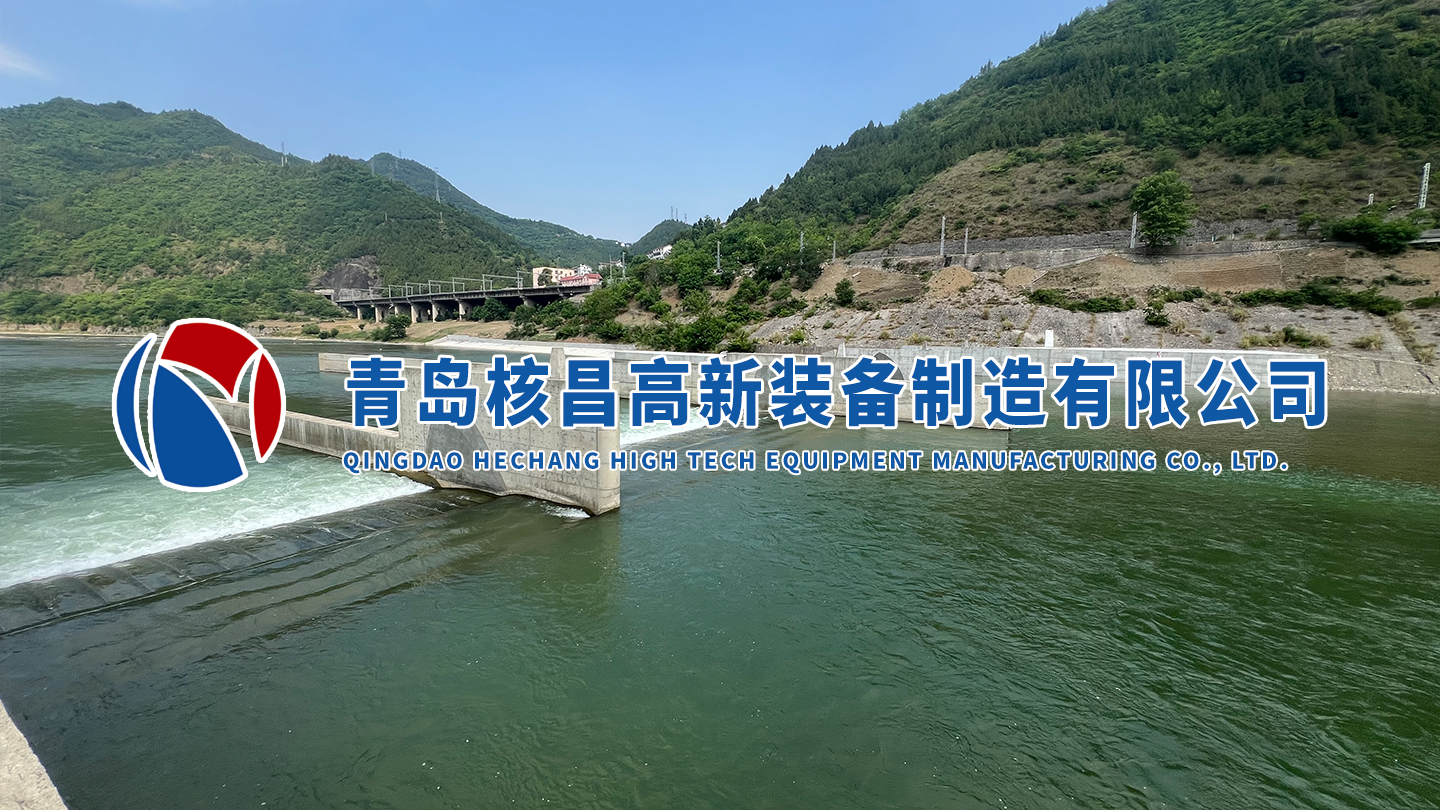
First of all, in terms of initial investment, Shield Rubber Dam demonstrate high cost-effectiveness. Compared with traditional steel dam gates or large-scale sluice gates, Shield Rubber Dam have a simple structure, requiring less foundation excavation. The construction period can be shortened by approximately 30%, directly reducing labor and management costs. Their core components, such as shield plates and airbags, can be produced in a standardized manner, which not only controls the construction cost but also lays a solid foundation for the future.
Secondly, their extremely low operation and maintenance (O&M) costs are the core of long-term savings. Shield Rubber Dam feature a high degree of automation and can realize "unmanned on-site" remote control, significantly saving labor resources. The airbag, as the core power system of the dam, is located underwater, so it is less affected by natural aging factors such as sunlight and oxidation, with a service life of 15-20 years, far longer than that of traditional rubber dams. The shield plate, as the main water-retaining structure, is wear-resistant and corrosion-resistant, requiring almost no maintenance. Taking a project with a 30-year operation period as an example, the total cost of maintenance and component replacement throughout its full life cycle is much lower than that of traditional movable dams, which require regular maintenance and even dam bag replacement.
Furthermore, the "efficiency enhancement" benefits brought by pneumatic shield dams are immeasurable. Shield Rubber Dam can be lifted and lowered flexibly: they can quickly collapse to discharge floodwaters during the flood season, reducing the huge economic losses caused by flood risks; during the dry season, they can effectively store water to ensure ecological flow and agricultural irrigation, creating sustained ecological and economic value. This dynamic regulation capability upgrades water conservancy facilities from "passive defense" structures to "active management" hubs for resource allocation.
The conclusion is obvious: Choosing a Shield Rubber Dam seems to be a choice of a technology, but in essence, it is a choice of a more prudent and forward-looking financial strategy. With relatively low initial investment, extremely low O&M costs, and significant implicit benefits, pneumatic shield dams yield an impressive "long-term economic account" throughout the full life cycle of the project. They are a powerful tool for realizing the modernization and sustainable development of water resource management.