Application of Shield Rubber Dam in Frigid Regions: Mature Anti-Freezing Solutions Ensure Stable Operation in Winter
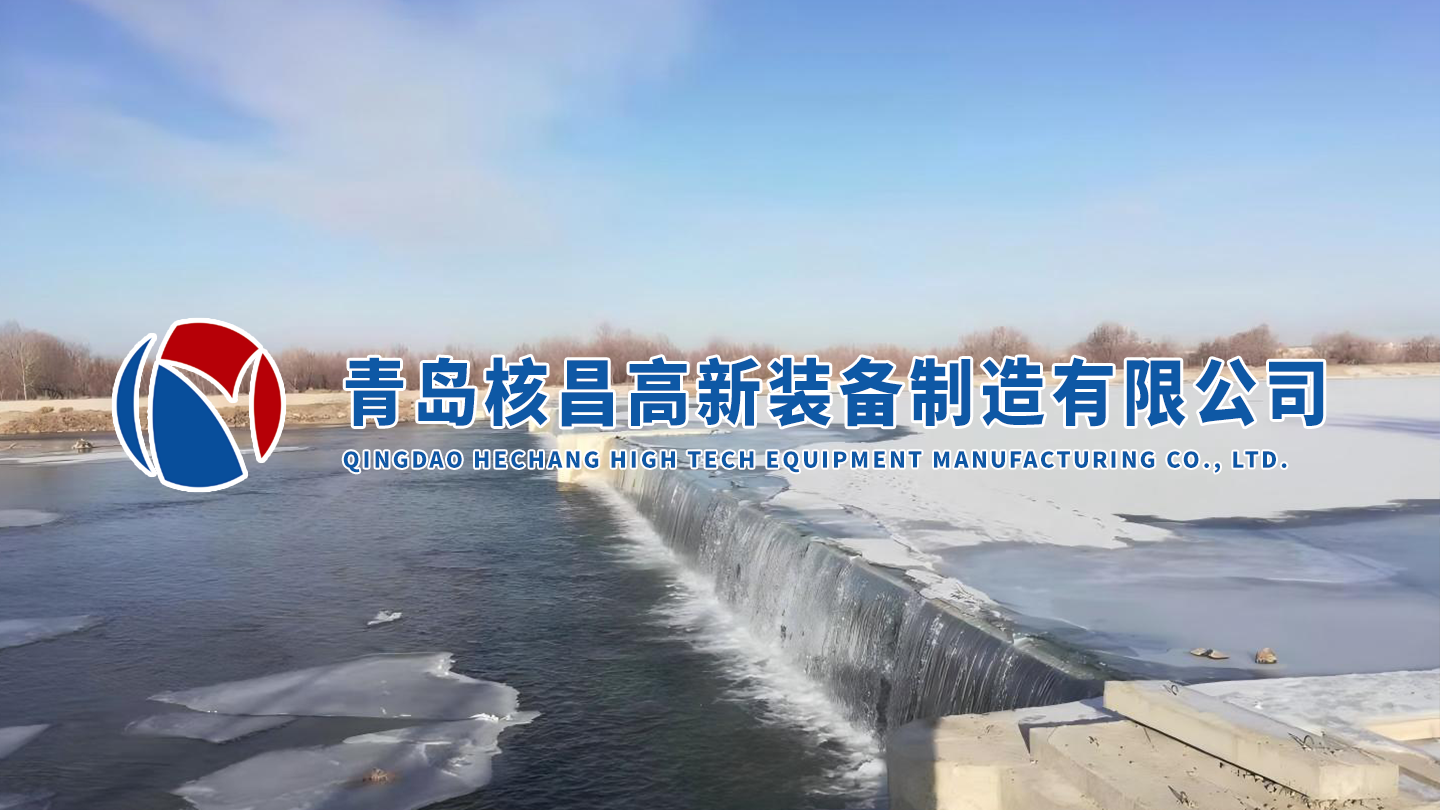 Thanks to its excellent regulation performance, the shield rubber dam has been successfully applied in frigid regions of northern China. The core conclusion is that it can be used safely in full, but it must be equipped with targeted and systematic anti-freezing designs. Solving the icing problem of airbags and pipelines at low temperatures is the key to ensuring their normal operation in winter, and there are currently a variety of mature technical solutions verified by engineering practices.
I. Core Challenges Posed by Severe Cold
When the temperature remains below the freezing point for an extended period, the operation of the shield rubber dam faces two direct risks:
-
1. Internal icing of pipelines and airbags: Water vapor in compressed air or a small amount of infiltrated liquid water freezes in airbags and air supply pipelines, which may lead to airway blockage, failure of airbags to inflate or deflate, and thus the complete loss of the dam’s regulation capacity.
-
2. Freezing and jamming of mechanical components: Exposed components such as valves and sensors may fail due to freezing.
II. Mainstream Anti-Freezing Technical Solutions
To address the above risks, engineering projects mainly adopt a comprehensive strategy combining active anti-freezing and passive protection:
-
1. Electric tracing and thermal insulation system (the most commonly used and reliable solution)
-
• Principle: Special electric tracing cables are laid inside the core air supply main pipelines, branch pipelines, and airbags, and then wrapped with thermal insulation layers. The system automatically starts and stops according to temperature sensors to maintain the temperature of pipelines and air chambers above the freezing point.
-
• Advantages: Heat acts directly on key parts, achieving thorough and highly controllable anti-freezing. Widely used for pipeline thermal insulation in industries such as petrochemical engineering, this technology is extremely mature.
-
2. Ethylene glycol antifreeze circulation system
-
• Principle: Ethylene glycol aqueous solution is used as the intermediate medium. The air compressor first pressurizes the antifreeze, and then uses a “liquid-air heat exchanger” to heat the compressed air with warm antifreeze, thereby delivering dry and warm air into the airbags.
-
• Advantages: It addresses the dew point problem of compressed air from the source, making it particularly suitable for extremely low-temperature and high-humidity environments. The system has slightly higher complexity and initial investment, but its anti-freezing effect is excellent.
-
3. Deep drying of compressed air and equipment compartment insulation
-
• Principle: A combined refrigerated and adsorption dryer is installed at the air source end to reduce the dew point temperature of compressed air to well below the minimum ambient temperature (e.g., -40℃), fundamentally eliminating moisture in the air source. Meanwhile, equipment such as air compressors and control valves are placed in an insulated and heated equipment compartment.
-
• Advantages: It eliminates the source of ice from the root, and when combined with compartment insulation, it is one of the most fundamental solutions in terms of effectiveness.
Summary and Selection Suggestions
In practical engineering, the above solutions are often used in combination. For example, a combination of “deeply dried air source + electric tracing for key pipelines” is adopted to provide multiple safeguards against extreme weather. At present, a large number of shield rubber dams equipped with complete anti-freezing systems have been operating stably for many years in regions such as Northeast China, Xinjiang, Northern Europe, and Canada.