Spring Arrives as Winter Departs: Special Inspection and Maintenance Guide for Shield Rubber Dams
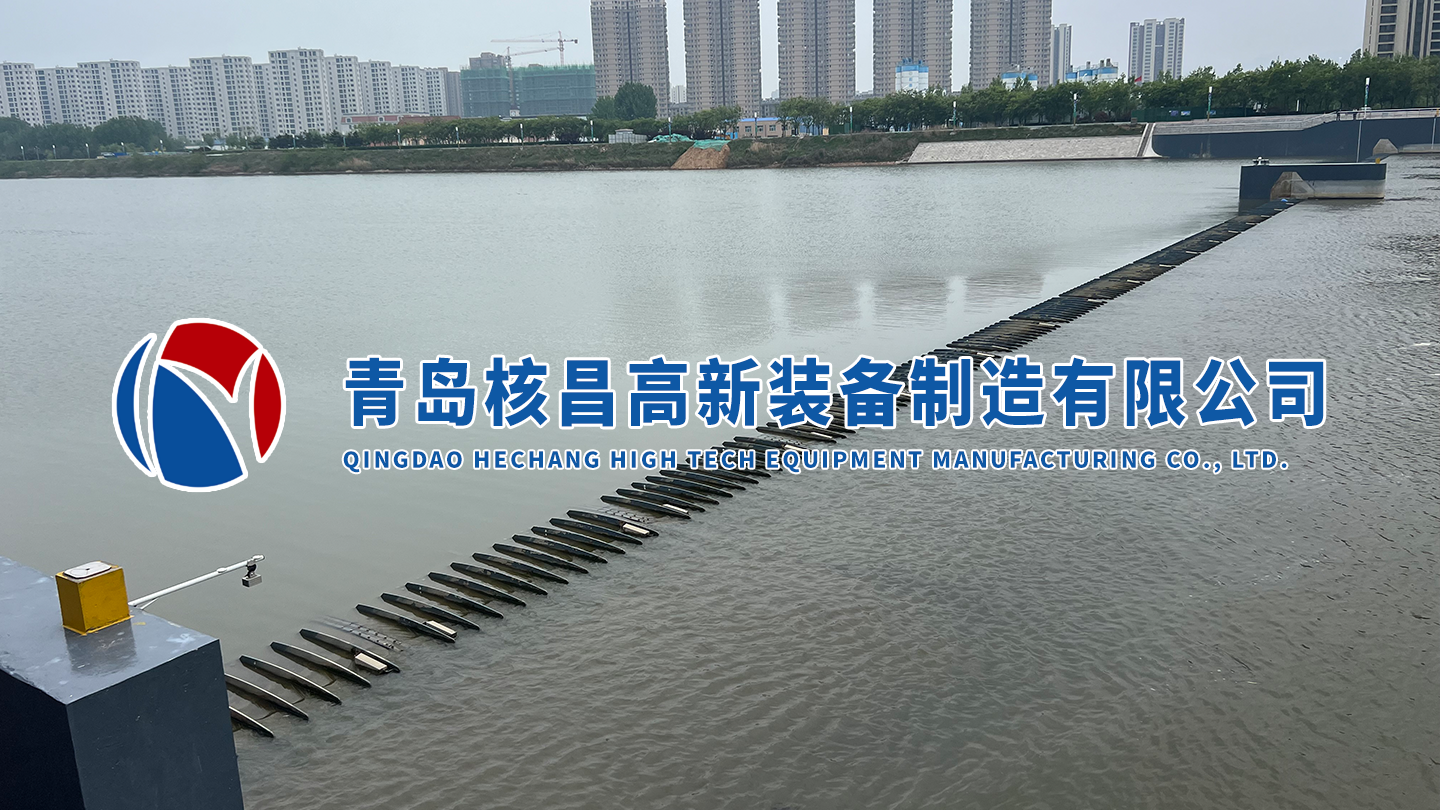 Complex climatic conditions during winter, such as low temperatures, ice freezing, and snowmelt, may pose potential impacts on the materials and systems of shield rubber dams (rubber dams). To ensure their safe and reliable operation in spring and summer, especially their critical role in flood season, a comprehensive and systematic special inspection and maintenance must be carried out at the turn of winter and spring.
1. Key Inspection Points
1.1 Dam Bag Inspection
-
• Appearance Damage: Carefully examine the surface of the dam bag (especially the upstream face and the edges in contact with the foundation slab) for scratches, punctures, wear, or aging cracks caused by collisions with ice floes and floating objects.
-
• Anchoring System: Check whether the anchoring bolts and pressure plates are loose, rusted, or displaced, and ensure reliable and firm anchoring.
-
• Freeze Impact: Focus on the parts of the dam bag that may have been in contact with ice layers in winter, and confirm whether the material elasticity and coating have been damaged due to freeze-thaw cycles.
1.2 Filling and Draining System Inspection
-
• Pipelines and Valves: Inspect all water (air) filling and draining pipelines and valves for freezing cracks, blockages, or leaks. Ensure that the valves open and close flexibly with good sealing performance.
-
• Power Equipment: Conduct a comprehensive start-up test on core power equipment such as water pumps, air compressors, and control cabinets. Check their operating status, insulation performance, and lubricating oil level to eliminate potential faults that may occur during long-term shutdown in winter.
-
• Control System: Test automatic control devices, water level sensors, electrical circuits, and remote communication modules to ensure accurate signal transmission and error-free execution of control commands.
1.3 Civil Engineering Structure Inspection
-
• Foundation Slab and Slope: Check whether the concrete foundation slab has frost heave cracks, spalling, or damage. Inspect the integrity of the slope protection works on both banks for collapse or scouring marks. Thoroughly clean the sediment, debris, and ice residues in the foundation slab and anchoring grooves to avoid affecting the dam bag lifting and anchoring effect.
-
• Seepage Prevention and Drainage: Inspect whether the seepage-proofing parts such as water-stop belts and expansion joints are intact and free from aging. Ensure the effectiveness of seepage prevention; check that drainage facilities are unobstructed without blockage or water accumulation to guarantee the stability of the civil engineering structure.
2. Key Maintenance Measures
-
1. Dam Bag Maintenance: For local minor damages (such as small scratches and tears) found during inspection, immediately use professional repair materials and standardized techniques for restoration to prevent damage expansion. Thoroughly clean the surface of the dam bag to remove stains and debris, extending its service life.
-
2. System Debugging and Maintenance: Perform routine maintenance such as oil change, fastening, and dust removal on the power equipment of the filling and draining system, and replace worn parts. Calibrate parameters and verify programs for the control system to ensure precise and stable system operation.
-
3. Functional Testing: Under the premise of ensuring on-site safety and no water flow interference, conduct at least one complete filling and collapsing test. Observe whether the dam bag lifting is smooth and synchronous, and whether the filling and draining system operates normally. Record various operating parameters and keep the test report.
-
4. Plan and Material Verification: Update and improve the emergency response plan for shield rubber dam operation based on the inspection results, and clarify the emergency disposal procedures. Verify whether the backup power supply, emergency repair materials, and spare parts are complete and effective to ensure timely response to sudden failures.