

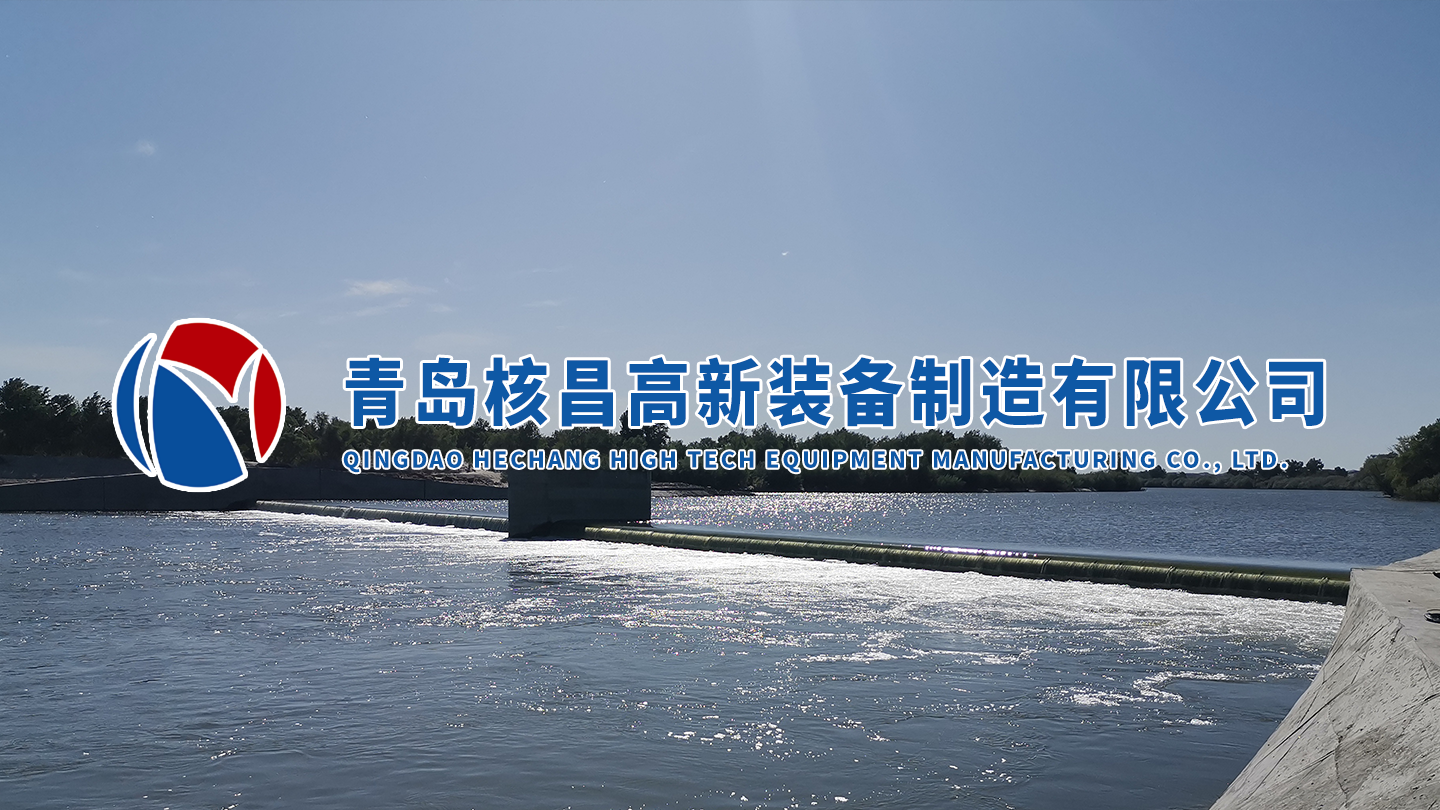
Modern air-shield dams are generally equipped with sophisticated automatic control systems that can monitor hydraulic data such as water level, air pressure and flow in real time and support remote inflation and deflation operations. Under normal operating conditions, with early warning intelligent sensors and high-definition video surveillance, the dams can operate stably and autonomously, fully meeting the technical requirements for unattended operation and effectively reducing labor costs.
Intelligent "unattended" operation does not mean zero risk. In the event of sudden floods, equipment failures, intentional vandalism and extreme weather, automatic control systems are prone to monitoring blind spots and response delays. Without timely manual intervention, the dam structure may be damaged, and even water conservancy safety accidents may occur. Therefore, the complete elimination of manual personnel is not feasible.
In consideration of technical characteristics and safety requirements, a hierarchical management mode is recommended:
Air-shield dams do not require rigid 24-hour on-site staffing, but a comprehensive management system featuring technology prevention as the priority and human defense as the supplement must be established. Intelligent devices shall be adopted to reduce unnecessary labor consumption, while scientific inspection and emergency mechanisms shall be applied to guarantee safety, which represents the optimal development direction of modern water conservancy management.