

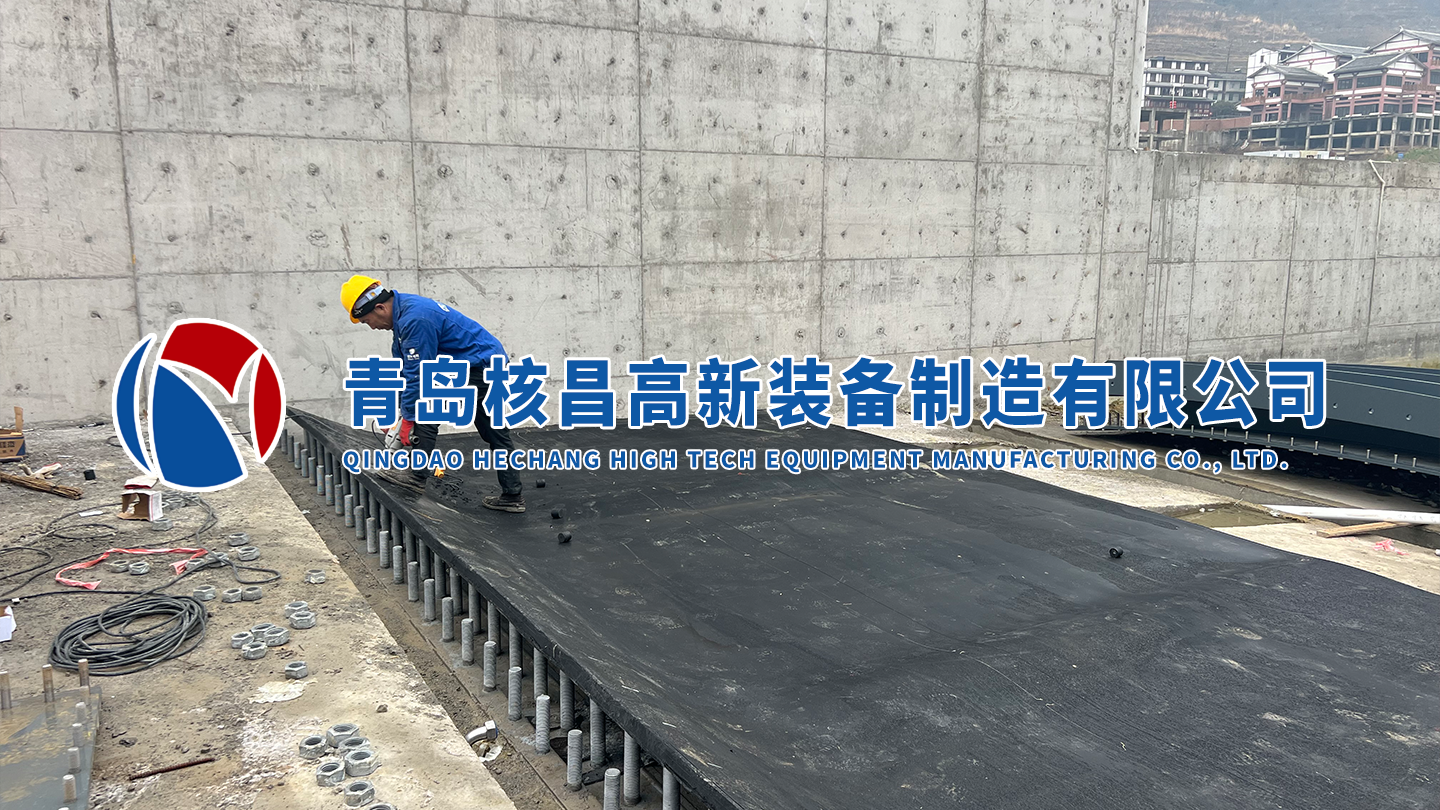
As a new and efficient flexible movable water-retaining structure in river and water conservancy projects, the air-shield dam is widely used for water storage, river landscape improvement, flood control and drainage thanks to its simple structure, flexible operation and strong flood discharge capacity.
It features a straightforward working principle, with a dedicated inflatable airbag as the core supporting component:
Many people worry that the large rubber airbag may burst with a loud bang and fly away like a balloon. This article comprehensively clarifies this concern from the perspectives of engineering design, material quality and safety mechanisms.
Unlike ordinary balloons that burst easily, air-shield dam airbags are fundamentally different in material strength, working pressure and operating logic, making an instantaneous explosion virtually impossible.
Ordinary balloons are made of thin single-layer rubber with fragile texture and uneven stress distribution. They tend to tear and burst easily under minor collision, extrusion or temperature rise.
In contrast, the airbag of an air-shield dam is a professional engineering component manufactured with thick high-strength rubber and multi-layer fiber-reinforced composite materials. It is integrally molded without splicing gaps. Boasting excellent tensile, compressive and tear resistance, as well as aging and erosion resistance, it can operate stably in long-term underwater and outdoor environments without weak points, eliminating the risk of airbag bursting at the source.
Contrary to common misconceptions, the air-shield dam operates entirely underlow pressure.
By comparison, the working pressure of air-shield dams is only a fraction of that of car tires. The extremely low and stable operating pressure is far below the pressure difference required for bursting, resulting in no risk of high-pressure explosion.
Designed with rigorous water conservancy safety standards, air-shield dams are equipped with multiple protective mechanisms to prevent failure or bursting even under extreme working conditions and unexpected abnormalities:
Online videos of alleged air-shield dam failures have misled many people into believing the airbags exploded. In fact, these incidents are not balloon-like airbag bursts, but structural failures of the dam body under extreme flood conditions.
When impacted by extreme floods and excessive water load, two types of failures may occur:
Such structural failures happen rapidly with loud water impact noises and strong visual effects, which look like sudden explosions. However, the airbag remains intact throughout the process, completely different from the balloon burst people fear.
The safety logic of air-shield dams is clear and rigorous based on their working principles and design:
The core risk of an air-shield dam does not come from the low-pressure, steadily operating airbag, but from the tremendous energy of extreme flood water. With high-strength composite materials, low-pressure operating mode and multiple intelligent safety protections, the engineering design fully safeguards against both conventional and extreme working conditions.
Conclusion: As a mature, stable and reliable modern water conservancy facility, the air-shield dam is far from a fragile toy balloon. Next time you see an air-shield dam on a river, you can rest assured that it will never burst and fly away with a bang, but steadily guard the safety of river water systems.