

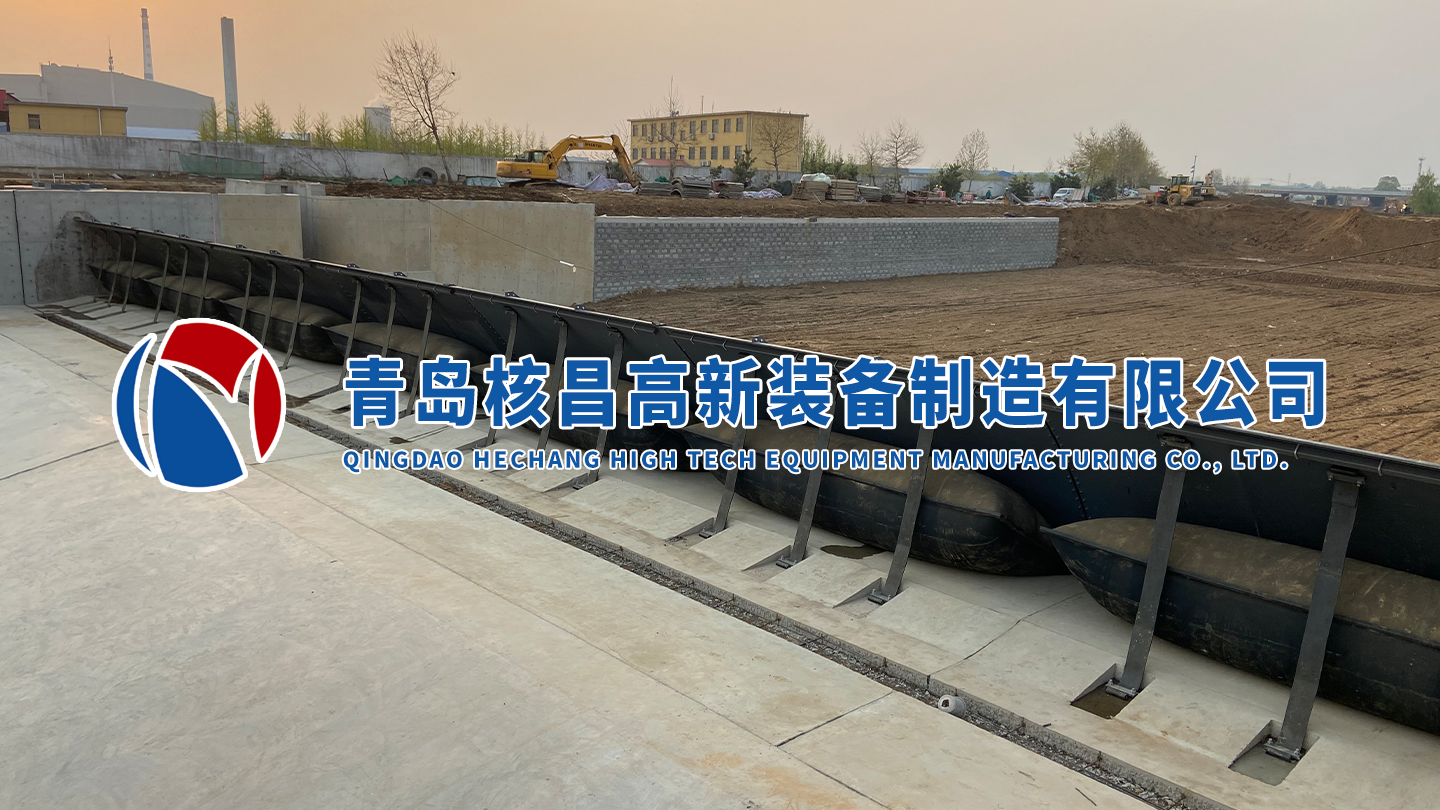
Time passes and missions come to an end. After fulfilling its long-term duty of river regulation and water conservation, an Shield Rubber Dam officially enters the decommissioning and scrapping phase. The massive steel shield plates that have stood firmly in the riverbed for years emerge as prominent asset resources upon project completion. Weathered by wind, rain and flowing water over the years, these steel structures may retire from their operational posts, yet their intrinsic material value remains intact.
In the scrap steel recycling market, these large-size, high-quality steel shield plates are recognized as highly tradable commodities. Boasting large recyclable tonnage and considerable residual value, decommissioned Shield Rubber Dams are far from discarded infrastructure. Instead, they serve as high-quality fixed assets that revitalize stock resources and recover project funds, bringing a solid and fulfilling closure to the entire project.
The decommissioning of Shield Rubber Dam steel plates marks no end, but a thorough physical rebirth. Stripped of river sediment and years of wear, the discarded steel plates undergo standardized dismantling, precise cutting and systematic sorting. Freed from their original engineering form, the recycled steel is transported to steel mills via professional logistics channels.
Inside the roaring steelmaking workshops, intense high temperature tempers and reshape the steel. Once reliable water conservancy guardians anchoring river channels and safeguarding water safety, these structures melt into surging molten iron to take on brand-new forms. Eventually, they are refined into building rebars, industrial profiles and other steel products, serving new roles in urban construction. Rooting themselves in modern cities in a renewed form, they underpin urban buildings and infrastructure, continuing their dedication and intrinsic value.
The recycling of decommissioned Shield Rubber Dams delivers tangible economic returns and remarkable ecological benefits. Compared with traditional iron ore mining and smelting, scrap steel recycling greatly simplifies production procedures and reduces energy consumption. It fundamentally mitigates ecological damage caused by mining and substantially cuts down the discharge of slag waste, carbon dioxide and other pollutants, featuring outstanding low-carbon, energy-saving and eco-friendly advantages.
The decommissioning of each Shield Rubber Dam represents a high-quality green resource cycle, easing ecological pressure, empowering sustainable development and effectively boosting green GDP growth. This lifecycle ecological value enables water conservancy projects to deliver benefits not only through in-service water regulation and river protection, but also through long-term green sustainability after decommissioning.
Rivers change with time, while steel bears enduring value. The retirement of an Shield Rubber Dam is never a termination of its mission, but a renewal of its value. Stripped of its role as a river guardian and reborn through high-temperature tempering and circular utilization, the steel achieves a gorgeous green transformation. It devotes its final value to the grand tide of circular economy, writing a continuous and vital chapter of sustainable dedication.