

# Dams in River Navigation \(English Version\)
## 1\. Precisely Simulating Natural Water Flow to Revitalize River Vitality
Traditional fixed dams tend to rigidify river hydrological conditions\. In contrast, Shield Rubber Dams feature flexible lifting and lowering capabilities\. Managers can precisely adjust dam heights according to seasonal changes and fish spawning periods, creating artificial water level fluctuations\. Such dynamic flow scours sediment deposited on riverbeds, stimulates the hatching of downstream aquatic insects, and provides hydrodynamic cues for fish to swim upstream, effectively revitalizing the metabolic activities of the entire river system\.
## 2\. Alleviating Dry\-season Flow Cutoff to Sustain Aquatic Life
During dry seasons, Shield Rubber Dams impound upstream runoff to raise river water levels and maintain the minimum ecological flow downstream\. This prevents riverbed exposure and large\-scale death of aquatic flora and fauna caused by water scarcity, providing a reliable refuge for aquatic organisms under extreme drought conditions\.
## 3\. Creating Diverse Habitats to Expand Living Spaces for Organisms
When inflated to retain water, the dam widens the upstream water surface and increases water depth, forming lake\-like static water zones\. The variations in flow velocity and water depth enrich the diversity of river habitats\. Deep water areas serve as overwintering shelters for adult fish, while backwater bays become breeding grounds for plankton, offering new foraging and inhabiting environments for various fish and bird species in upstream waters\.
## 4\. Assisting Water Purification and Promoting Nutrient Cycling
Through scientific operational regulation, Shield Rubber Dams extend the residence time of upstream water, allowing sediment and pollutants to settle naturally\. Combined with artificially controlled water discharge and scouring, accumulated algae and organic detritus in front of the dam can be regularly flushed downstream\. This operational mode of retaining clean water and discharging turbid water facilitates nutrient cycling in the river and reduces the risk of local cyanobacterial blooms\.
## 5\. Reducing Engineering Disturbances and Preserving Original River Landscape
Unlike concrete gravity dams, Shield Rubber Dams adopt flexible bag structures that fit closely to the riverbed\. When fully deflated, they barely block water flow and maximally preserve the original river cross\-section\. This minimizes permanent occupation of riparian vegetation and tidal flats, enables smooth migration of amphibians along riverbanks, and maintains the integrity of the riparian ecological chain\.
## Conclusion
Rather than rigid water\-retaining structures, Shield Rubber Dams act as adjustable ecological valves\. With scientific and proper operation, they balance flood control, water supply and ecological protection\. The dams realize efficient water resource utilization by transforming river barrier effects into adjustable hydraulic regulation, serving as an effective tool for river ecological restoration\.
# Dams in River Navigation \(English Version\)
## 1\. Precisely Simulating Natural Water Flow to Revitalize River Vitality
Traditional fixed dams tend to rigidify river hydrological conditions\. In contrast, Shield Rubber Dams feature flexible lifting and lowering capabilities\. Managers can precisely adjust dam heights according to seasonal changes and fish spawning periods, creating artificial water level fluctuations\. Such dynamic flow scours sediment deposited on riverbeds, stimulates the hatching of downstream aquatic insects, and provides hydrodynamic cues for fish to swim upstream, effectively revitalizing the metabolic activities of the entire river system\.
## 2\. Alleviating Dry\-season Flow Cutoff to Sustain Aquatic Life
During dry seasons, Shield Rubber Dams impound upstream runoff to raise river water levels and maintain the minimum ecological flow downstream\. This prevents riverbed exposure and large\-scale death of aquatic flora and fauna caused by water scarcity, providing a reliable refuge for aquatic organisms under extreme drought conditions\.
## 3\. Creating Diverse Habitats to Expand Living Spaces for Organisms
When inflated to retain water, the dam widens the upstream water surface and increases water depth, forming lake\-like static water zones\. The variations in flow velocity and water depth enrich the diversity of river habitats\. Deep water areas serve as overwintering shelters for adult fish, while backwater bays become breeding grounds for plankton, offering new foraging and inhabiting environments for various fish and bird species in upstream waters\.
## 4\. Assisting Water Purification and Promoting Nutrient Cycling
Through scientific operational regulation, Shield Rubber Dams extend the residence time of upstream water, allowing sediment and pollutants to settle naturally\. Combined with artificially controlled water discharge and scouring, accumulated algae and organic detritus in front of the dam can be regularly flushed downstream\. This operational mode of retaining clean water and discharging turbid water facilitates nutrient cycling in the river and reduces the risk of local cyanobacterial blooms\.
## 5\. Reducing Engineering Disturbances and Preserving Original River Landscape
Unlike concrete gravity dams, Shield Rubber Dams adopt flexible bag structures that fit closely to the riverbed\. When fully deflated, they barely block water flow and maximally preserve the original river cross\-section\. This minimizes permanent occupation of riparian vegetation and tidal flats, enables smooth migration of amphibians along riverbanks, and maintains the integrity of the riparian ecological chain\.
## Conclusion
Rather than rigid water\-retaining structures, Shield Rubber Dams act as adjustable ecological valves\. With scientific and proper operation, they balance flood control, water supply and ecological protection\. The dams realize efficient water resource utilization by transforming river barrier effects into adjustable hydraulic regulation, serving as an effective tool for river ecological restor
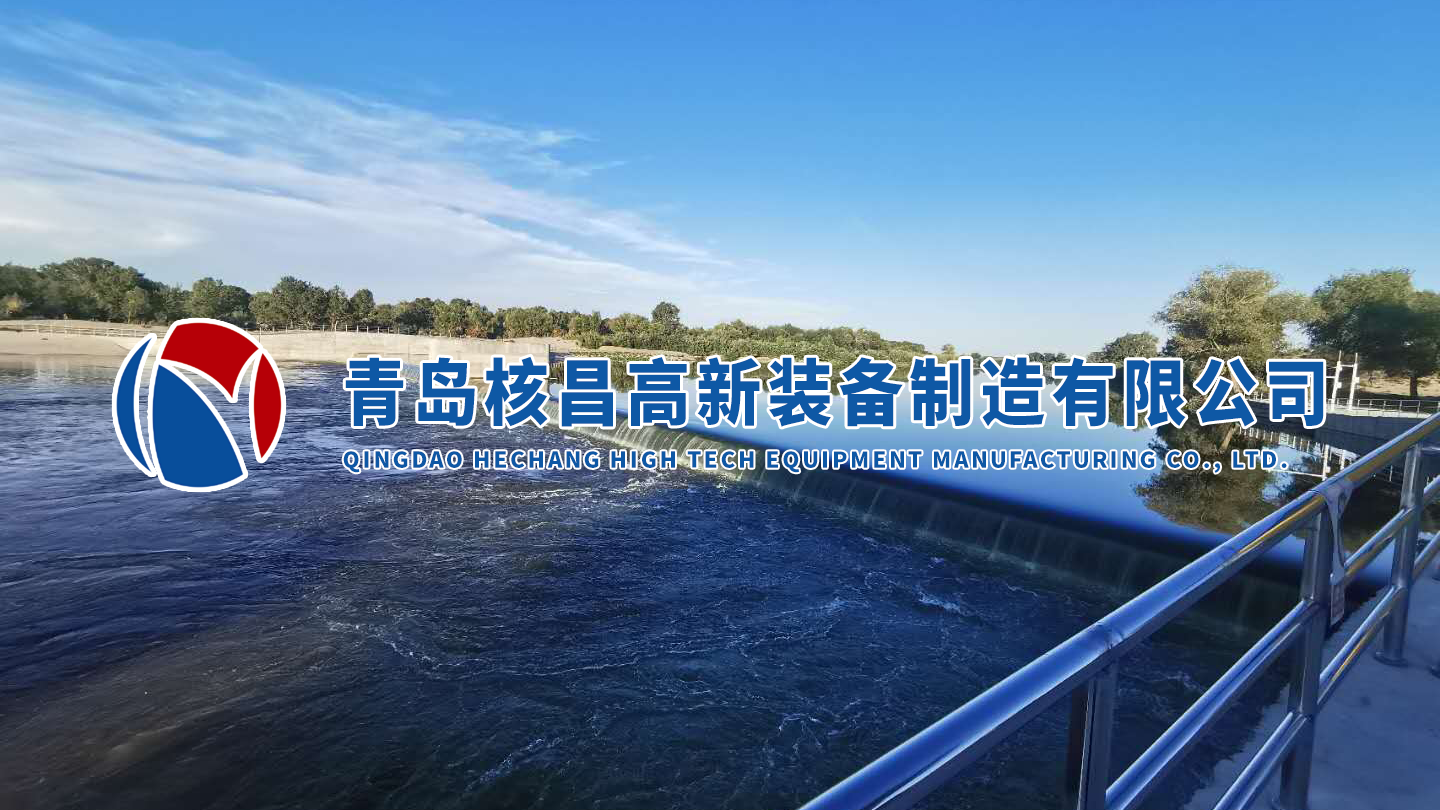
Traditional fixed dams tend to spawning and fish spawning conditions. In contrast, Shield Rubber Dams feature flexible lifting and lowering capabilities. Managers can precisely adjust dam heights according to seasonal changes and fish spawning periods, creating artificial water level fluctuations. Such dynamic flow scours sediment deposited on riverbeds, stimulates the hatching of downstream aquatic insects, and provides hydrodynamic cues for fish to swim upstream, effectively revitalizing the metabolic activities of the entire river system.
During dry seasons, Shield Rubber Dams impound upstream runoff to raise river water levels and maintain the minimum ecological flow downstream. This prevents riverbed exposure and large-scale death of aquatic flora and fauna caused by water scarcity, providing a reliable refuge for aquatic organisms under extreme drought conditions.
When inflated to retain water, the dam widens the upstream water surface and increases water depth, forming lake-like static water zones. The variations in flow velocity and water depth enrich the diversity of river habitats. Deep water areas serve as overwintering shelters for adult fish, while backwater bays become breeding grounds for plankton, offering new foraging and inhabiting environments for various fish and bird species in upstream waters.
Through scientific operational regulation, Shield Rubber Dams extend the residence time of upstream water, allowing sediment and pollutants to settle naturally. Combined with artificially controlled water discharge and scouring, accumulated algae and organic detritus in front of the dam can be regularly flushed downstream. This operational mode of retaining clean water and discharging turbid water facilitates nutrient cycling in the river and reduces the risk of local cyanobacterial blooms.
Unlike concrete gravity dams, Shield Rubber Dams adopt flexible bag structures that fit closely to the riverbed. When fully deflated, they barely block water flow and maximally preserve the original river cross-section. This minimizes permanent occupation of riparian vegetation and tidal flats, enables smooth migration of amphibians along riverbanks, and maintains the integrity of the riparian ecological chain.
Rather than rigid water-retaining structures, Shield Rubber Dams act as adjustable ecological valves. With scientific and proper operation, they balance flood control, water supply and ecological protection. The dams realize efficient water resource utilization by transforming river barrier effects into adjustable hydraulic regulation, serving as an effective tool for river ecological restoration.
2. Alleviating Dry-season Flow Cutoff to Sustain Aquatic Life
3. Creating Diverse Habitats to Expand Living Spaces for Organisms
4. Assisting Water Purification and Promoting Nutrient Cycling
5. Reducing Engineering Disturbances and Preserving Original River Landscape
Conclusion