

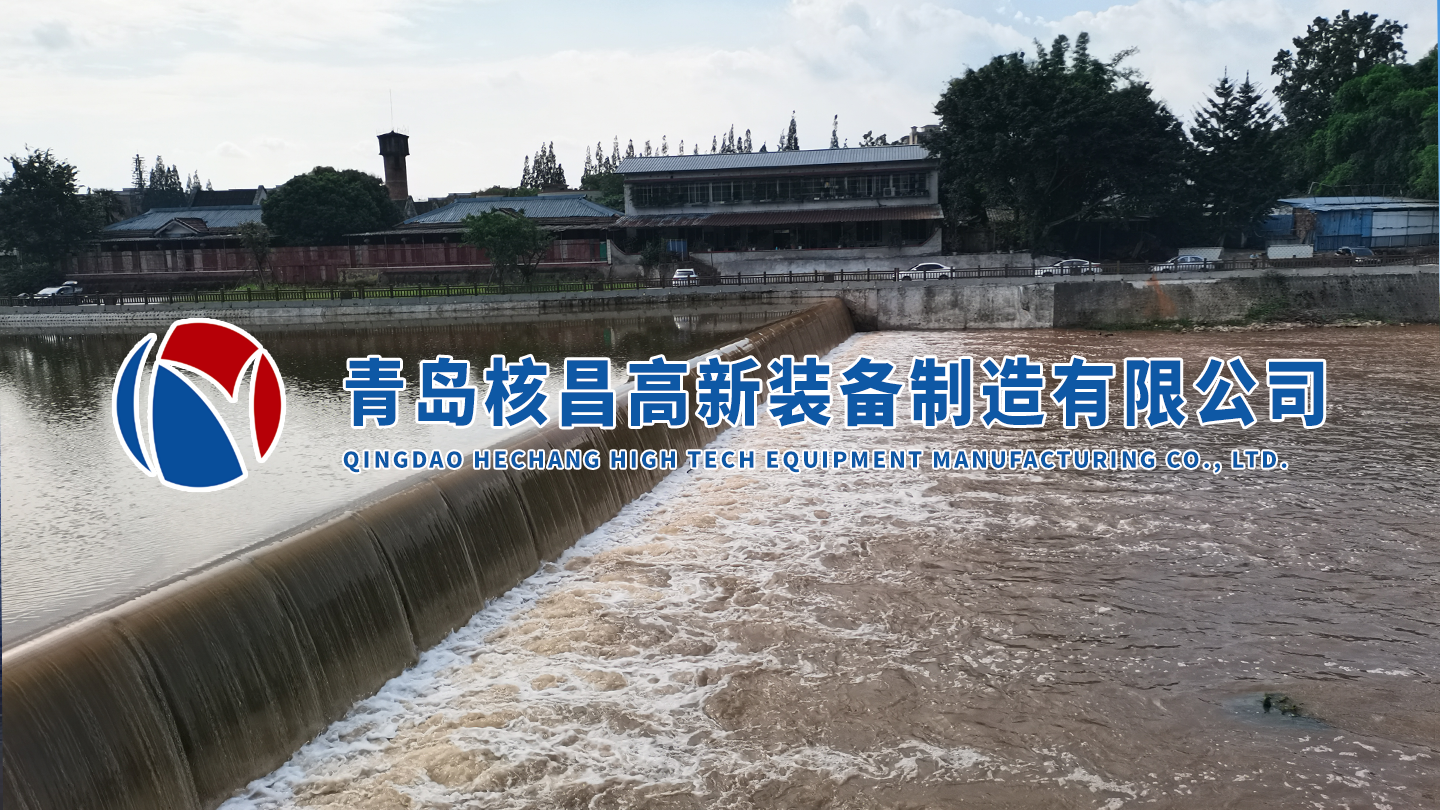
The arc-shaped steel shield plate bears the first impact of floodwater. Made of low-alloy high-strength steel with a yield strength of over 345 MPa, the smooth and reinforced upstream surface rapidly decomposes the impact force of high-speed water flow into radial pressure and evenly transfers it to the dam foundation. This "divide and disperse" mechanism effectively avoids stress concentration, enabling the dam to remain stable even under a flow velocity of 6 meters per second — embodying the commitment of structural rigidity.
The pulsating water pressure is transmitted to the rubber air bladder behind the shield plate, and the compressed air inside the bladder immediately activates an adaptive adjustment mode. As the water level rises and air pressure increases, reverse thrust is generated to balance water pressure on the shield plate; as the water level falls and air pressure decreases, excessive rebound is prevented. This buffering mechanism converts high-frequency vibration energy into internal gas energy. Field tests show its vibration amplitude is only one-third of that of traditional rubber dams, completely eliminating the risk of structural fatigue fracture — reflecting the wisdom of flexible buffering.
In the event of extraordinary floods, the control system commands rapid air discharge from the bladder. The shield plate lies fully flat on the riverbed within 10 minutes, instantly expanding the flood discharge cross-section. The maximum discharge capacity reaches 142 cubic meters per second, restoring the river to its natural flood conveyance state. This mechanism prevents upstream water level rise and avoids excessive pressure on riverbank dykes.
① Impact and Abrasion Resistance: The steel shield resists collision from floating debris and sediment, greatly extending the service life of the dam structure.
② Stable and Reliable Performance: The self-adaptive air bladder regulates pressure and suppresses vibration, achieving zero operational failure in long-term service.
③ Rapid Emergency Response: Instant dam collapse delivers immediate flood discharge effects, ensuring safe flood defense under extreme conditions.
Widely applied in mountain valleys and urban river and lake systems, the pneumatic shield dam adopts a full-process rigid-flexible anti-current system to turn raging floodwaters into controllable mild flow. It serves as a solid "water defense barrier" for modern water conservancy projects.