

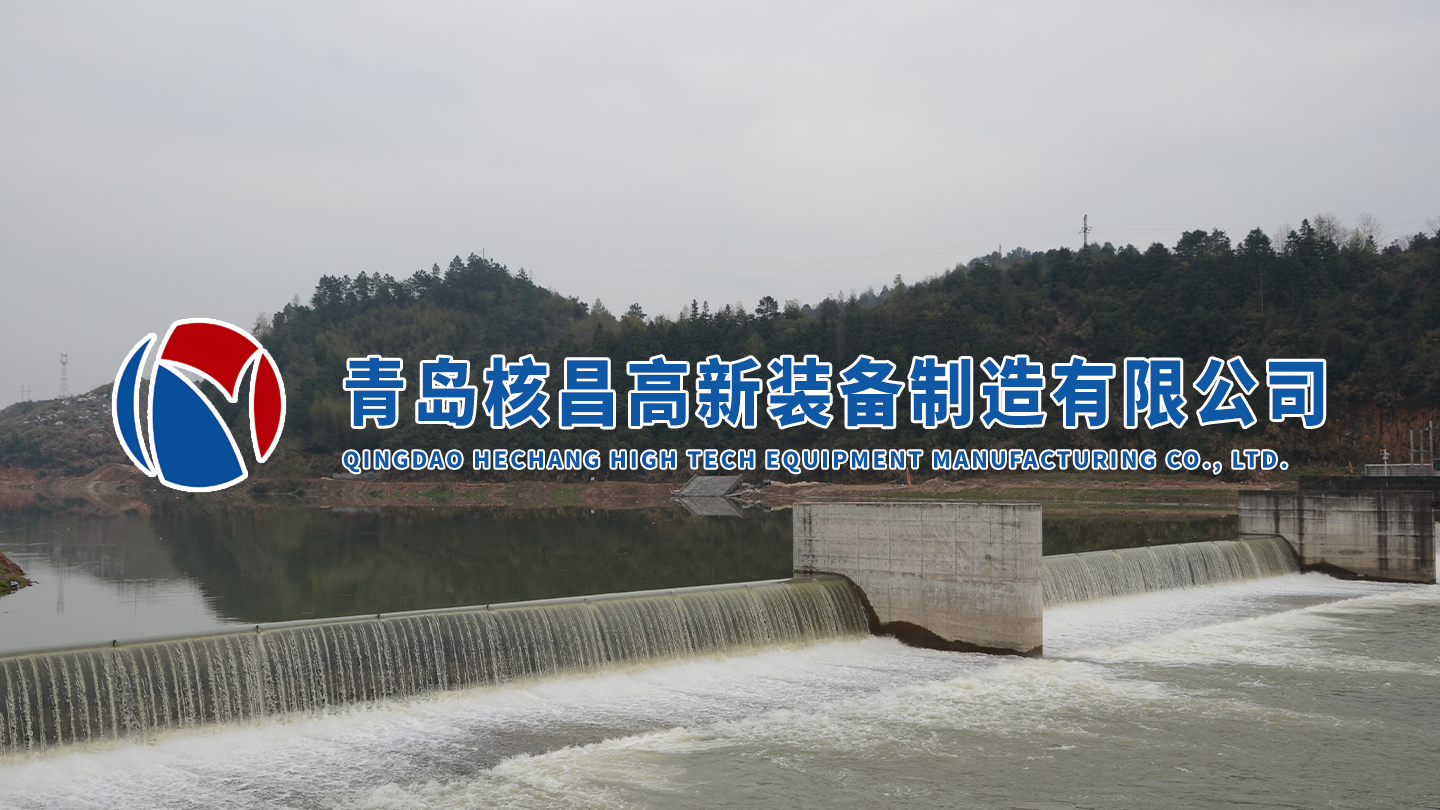
Also known as ecological airbag support dams, air shield dams integrate the strong adaptability of rubber dams and the structural stability of steel gates, serving as a new type of water conservancy facility with both practical and ecological values. Its working principle is simple and efficient: the intelligent control system delivers compressed air into the airbag, and the inflated airbag pushes up the steel shield plate to achieve water retention and storage. For flood discharge, the air inside the airbag is exhausted, allowing the shield plate to lie down steadily under self-weight and water pressure, so that the river channel can be unblocked immediately. The entire system is powered solely by compressed air and requires no hydraulic oil or lubricating oil. It fundamentally eliminates the risk of oil leakage from the design perspective and completely frees water safety from oil pollution threats.
In practical flood prevention operations, air shield dams deliver reliable performance with both rapid response and pollution-free operation. The air shield dam in Xiadang Town, Shouning County, Fujian Province, can complete plate collapse and rapid flood discharge within 10 minutes during typhoons. Three air shield dams in Yidu City, Hubei Province, can fully collapse and discharge floodwater in 20 to 40 minutes under continuous heavy rainfall, greatly improving the river flood discharge efficiency and gaining precious time for regional flood prevention. More importantly, the equipment operates completely oil-free without releasing any pollutants into water bodies, realizing the perfect integration of flood control and ecological protection.
Green ecology has become a rigid requirement for modern water conservancy construction. Featuring zero hydraulic oil, zero leakage and zero water quality impact, air shield dams are widely applicable to drinking water source protection, river ecological restoration, urban landscape water systems, farmland irrigation and other scenarios. They effectively solve the shortcomings of traditional water conservancy facilities, including potential pollution risks, high operation and maintenance costs, and poor ecological adaptability. While ensuring the safety and practicality of engineering projects, the dams also take into account ecological and landscape aesthetics. As an optimal solution for green water conservancy construction, they provide solid and reliable technical support for intelligent river regulation and ecological water conservancy development.