

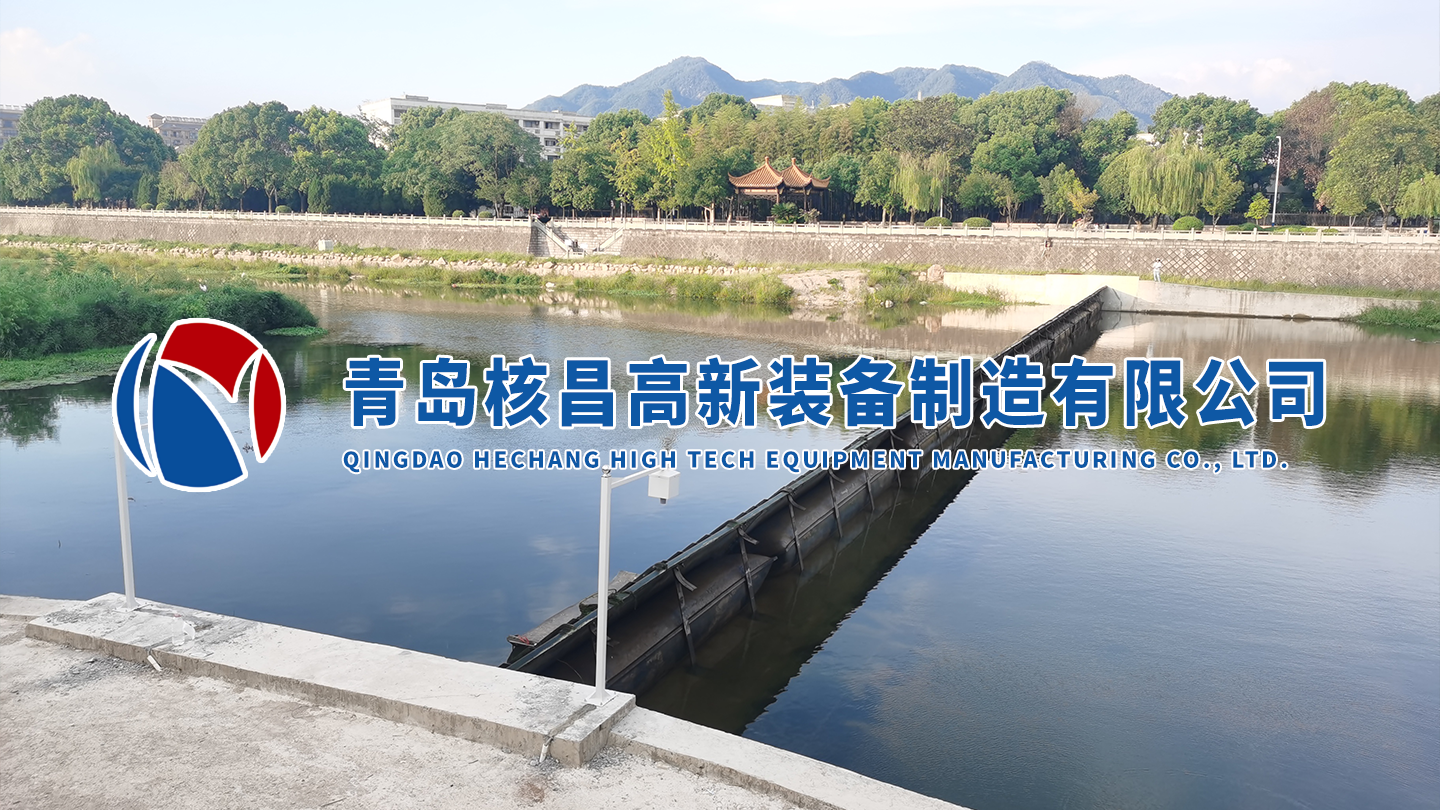
 During the flood season, Shield Rubber Dams operate under continuous high water pressure and are constantly subjected to high-velocity water scouring, floating debris impact, and frequent water level fluctuations. These harsh working conditions may easily cause component wear, seal failure, structural loosening and other potential safety hazards. To fully eliminate equipment faults and engineering risks and ensure the subsequent safe, stable and regular operation of Shield Rubber Dams, comprehensive and thorough special inspection and maintenance shall be carried out immediately after the flood season. The key inspection points are specified as follows:
As the core water-retaining and pressure-bearing component of Shield Rubber Dams, the integrity of the dam bag directly determines the water retaining and anti-seepage capacity of the dam structure. A comprehensive inspection shall be conducted on the entire dam bag, focusing on high-stress areas including the upstream surface and the contact edges between the dam bag and the base plate. Check for surface defects such as scratches, punctures, local abrasion, aging cracks and blister damage. Special attention shall be paid to the folded corners of the dam bag to investigate fatigue deformation, cracking and air leakage caused by repeated inflation, deflation and folding during the flood season. In addition, inspect the sealing performance of the joints between air bags and shield plates, verify the integrity of waterstops at anchorage positions, and check for seepage traces such as water stains and leakage at connection and water-stop positions, so as to ensure the tightness and reliability of the overall sealing system.
Anchorage and mechanical connection components serve as the load-bearing framework of Shield Rubber Dams and are critical to the structural stability of the dam. Failure of these components may lead to air bag displacement, dam deformation, and even major safety accidents such as dam break. Inspect all anchorage bolts, fixing pressure plates, embedded parts and other key components one by one for looseness, falling off, corrosion, deformation, displacement and fracture. Verify the fastening condition of bolts, fitting tightness of pressure plates and stability of embedded anchorage parts. Record and grade corroded components, and reset and fasten loose or displaced parts in a timely manner to ensure all anchorage and mechanical connections are firmly fixed and stably stressed.
The inflation-deflation and control system is the core power system for the opening, closing and pressure regulation of Shield Rubber Dams, which requires full-link functional inspection. First, inspect the inflation and deflation pipelines and various valves for cracking, frost damage, blockage, leakage and aging deformation, and check whether the valves open and close smoothly with reliable sealing. Second, test-run power equipment such as air compressors and water pumps to check the starting and stopping status, operating noise and working pressure, ensuring stable operation without abnormalities. Third, calibrate electric control and sensing devices to verify the flexibility and accuracy of solenoid valve actions, as well as the accuracy and stable signal transmission of pressure sensors and water level sensors. Fourth, inspect auxiliary air supply accessories including safety valves, filters and dryers for blockage, failure, damage and dirt accumulation, ensuring the entire control system operates accurately, responds timely and functions completely.
Civil engineering foundations and auxiliary facilities are the basic guarantee for stable dam operation. Conduct a comprehensive inspection of infrastructure conditions. Focus on the concrete base plate of the dam to check for frost heave cracks, surface peeling, honeycomb pitting, settlement deformation, crack seepage and other structural defects. Verify the integrity of slope protection structures on both river banks and check for collapse, looseness, scouring damage and slope sliding hazards. Carefully inspect key anti-seepage parts such as expansion joints, waterstops and anti-seepage cushions for aging, damage, falling off and failure. Meanwhile, thoroughly remove silt, sundries and residual floating debris from the dam base plate, anchorage grooves and pipeline grooves to avoid component corrosion and operational interference caused by deposition.
For all defects, hidden dangers and equipment problems identified after the flood season, a special hidden danger ledger shall be established immediately, recording the location, type, risk level and rectification measures of each problem in detail. Clarify responsible persons and time limits for rectification, and implement a closed-loop management mechanism of numbering each hidden danger, completing rectification and canceling records one by one. Track the rectification progress throughout the process and strictly verify the rectification quality. Resolutely avoid residual hidden dangers and recurring problems, completely eliminate potential safety risks in engineering operation, and ensure the long-term safe, standardized and efficient operation of Shield Rubber Dams.