

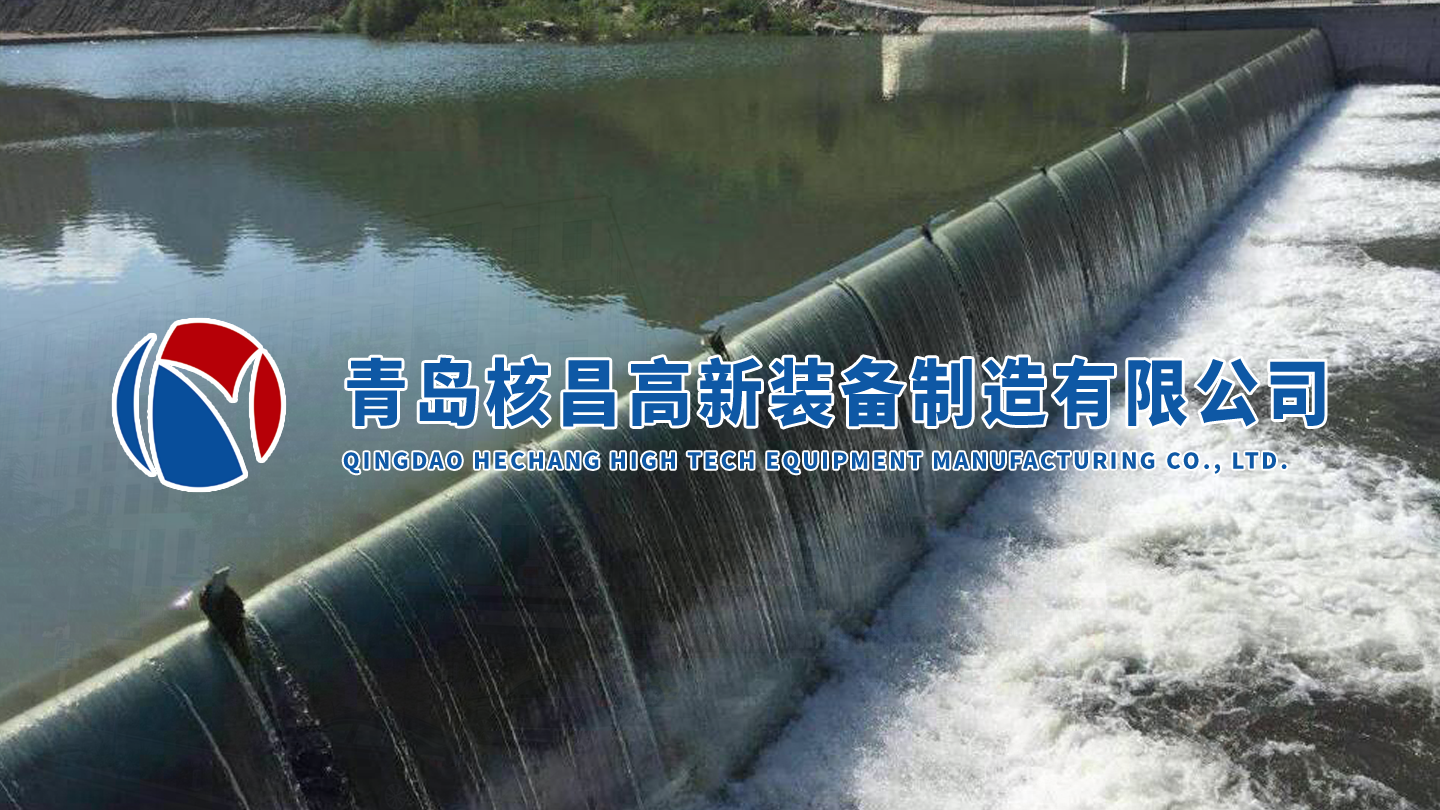
Oil-Free Hydraulic Design of Shield Rubber Dams: Leading the Low-Carbon Revolution in Hydraulic Engineering Construction Against the backdrop of the "dual carbon" goals, water conservancy projects are entering a critical phase of green and low-carbon transformation. As an innovative hydraulic structure, the oil-free hydraulic design of shield rubber dams has become the focus of the industry, not only demonstrating significant low-carbon advantages but also highlighting immense ecological value. Oil-Free Hydraulic Design: A Green Breakthrough in Technological Innovation Traditional hydraulic gates are generally prone to oil leakage risks. Globally, lubricating oil pollution caused by hydraulic system leaks amounts to tens of thousands of tons annually. Shield Rubber Dams adopt an inflation and deflation control system, completely eliminating the use of hydraulic oil. They drive the lifting and lowering of shield plates through compressed air, achieving a revolutionary breakthrough of zero oil pollution. This innovative design addresses long-standing pain points in the water conservancy engineering industry: - Eliminates the risk of lubricating oil polluting water bodies - Avoids the costs and environmental pressures associated with replacing and disposing of waste hydraulic oil - Reduces equipment failures and maintenance costs caused by oil leakage - Delivers significant low-carbon advantages and outstanding emission reduction effects Remarkable Low-Carbon Advantages and Outstanding Emission Reduction Effects The oil-free hydraulic design of shield rubber dams exhibits significant low-carbon characteristics throughout their entire life cycle: Carbon Emission Reduction in the Construction Phase Compared with traditional steel gates, shield rubber dams are 40%-50% lighter, requiring less steel usage, which directly reduces carbon emissions during the production stage. Data shows that each square meter of shield rubber dam can reduce carbon emissions by approximately 0.8 tons. Near-Zero Emissions in the Operation Phase Shield Rubber Dams are powered by electric-driven air compressors, with no greenhouse gas emissions during operation. Compared with traditional hydraulic hoists, their energy consumption is reduced by more than 30%, and operating costs are cut by 40%. Low-Carbon and Environmental Protection in the Maintenance Phase There is no need for regular replacement of hydraulic oil, which reduces the consumption of personnel, equipment, and materials during maintenance. Carbon emissions from maintenance throughout the entire life cycle are reduced by more than 50%. Diverse Ecological Values and Significant Comprehensive Benefits Water Body Protection Value It completely solves the problem of water pollution caused by hydraulic oil leakage, making it particularly suitable for use in water source protection areas and ecologically sensitive zones. A medium-sized shield rubber dam project can avoid the potential pollution risk of approximately 200-500 kilograms of hydraulic oil each year. Biodiversity Conservation Value The oil-free design reduces impacts on aquatic organisms, maintains the ecological connectivity of rivers, and supports fish migration and the protection of aquatic organism habitats. Integration with the Ecological Environment It operates with low noise and no oil odor, enabling better integration with the surrounding natural environment and enhancing water affinity and landscape value. Broad Market Prospects and Strong Policy Support As the country's "dual carbon" strategy advances in depth, the oil-free hydraulic design of shield rubber dams is ushering in tremendous market opportunities: Policy Drive The "Guiding Opinions on Promoting Green and Low-Carbon Development in the Water Conservancy Field" issued by the Ministry of Water Resources clearly proposes the promotion of green and low-carbon technologies. The oil-free hydraulic design of shield rubber dams fully aligns with this policy orientation. Market Demand There is strong demand across various regions for water source protection and ecological river channel construction. In 2022, investment in ecological water conservancy projects increased by 35% year-on-year, providing a broad market space for air-shield dams. Economic Benefits Although the initial investment is slightly higher than that of traditional gates, the total life-cycle cost is reduced by more than 25%, and the investment payback period is usually 3-5 years. Verified Practical Cases and Outstanding Application Effects In the Qiandao Lake Water Diversion Project in Zhejiang Province, the oil-free hydraulic design of shield rubber dams has ensured the first-class water quality protection requirements. No pollution incidents have occurred in the four years of operation, and maintenance costs have been reduced by approximately 30% annually compared with traditional solutions. In the ecological water supplement project in the Yellow River Delta, the oil-free design of Shield Rubber Dams has protected the precious wetland ecosystem and provided a safe water environment for migratory bird habitats. This project has won the National High-Quality Water Conservancy Project Award. Outlook for Future Development Continuous Deepening of Technological Innovation Intelligent control systems are constantly being upgraded, and innovative applications such as solar-driven systems are gradually being promoted, further reducing energy consumption and carbon footprints. Gradual Improvement of Standard Systems Industry standards and technical specifications are being introduced one after another, providing strong support for the promotion and application of the oil-free hydraulic design of shield rubber dams. Growing Market Recognition With the accumulation of successful cases and increased environmental protection awareness, the oil-free hydraulic design of shield rubber dams is becoming the preferred solution for hydraulic engineering construction. Conclusion The oil-free hydraulic design of Shield Rubber Dams represents the direction of green and low-carbon development in hydraulic engineering construction. It not only solves the pollution problem of traditional hydraulic systems but also demonstrates significant value in low-carbon emission reduction and ecological protection. As the country's dual carbon strategy advances further, this technological innovation will surely provide strong support for the green transformation of the water conservancy industry and make an important contribution to building an ecological civilization characterized by harmonious coexistence between humans and water. Key Terminology Notes 1. Shield Rubber Dam:The standard term in hydraulic engineering, accurately reflecting its core structure of "supporting flexible shield plates with air pressure," distinguishing it from traditional structures like "rubber dams" or "concrete dams." 2. Dual Carbon:A shorthand for China's national strategic goals of "reaching peak carbon emissions by 2030 and achieving carbon neutrality by 2060," retained in its concise form to align with international discourse on China's carbon strategy. 3. Entire Life Cycle:Refers to the complete process of a product/structure from design, manufacturing, and operation to maintenance and decommissioning, a key concept in low-carbon and environmental protection evaluations, consistently translated to maintain technical accuracy.